BRAND STORY
Hobonichi
The Tokyo-made daily planner with a worldwide cult following — Tomoe River paper, one page per day, and a 25-year design philosophy of "a life-sized notebook."
The story behind the cult
Hobonichi is the product line of Hobo Nikkan Itoi Shinbun — literally "Almost Daily Itoi Newspaper" — a Tokyo media company founded in 1998 by Shigesato Itoi, a copywriter and cultural figure best known to Western audiences as the creator of the EarthBound (Mother) video game series. The company started as a website publishing daily essays and interviews. The first Hobonichi Techo planner appeared in 2001 as a small side project — a planner Itoi himself wanted to use.
What turned it into a phenomenon: the planner pages were printed on Tomoe River paper, an ultra-thin, fountain-pen-friendly paper made by a small Shizuoka mill (Tomoegawa Paper Co.) since 1914. The paper is so thin (52gsm) that a 365-day planner stays under 2cm thick, but the surface chemistry is engineered so fountain-pen ink dries cleanly without bleed-through or feathering. For fountain-pen and brush-pen users — a substantial subset of Japan's stationery enthusiasts — this was a revelation.
The four planner lines, explained
Hobonichi makes one planner system in four formats. They share the same internal structure (monthly calendar pages + daily pages + memo pages + reference tables) but differ in size and page count.
Techo Original (A6)
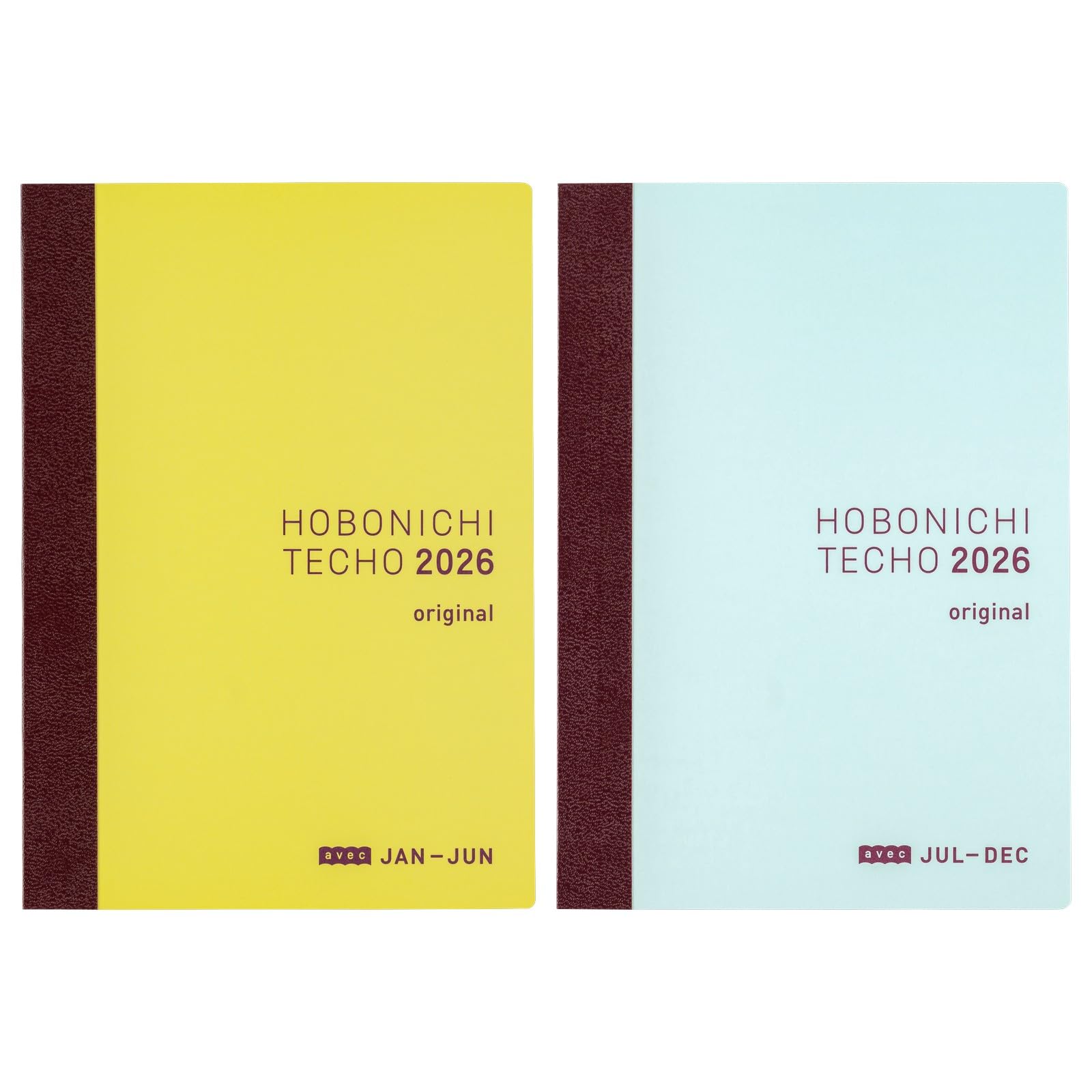
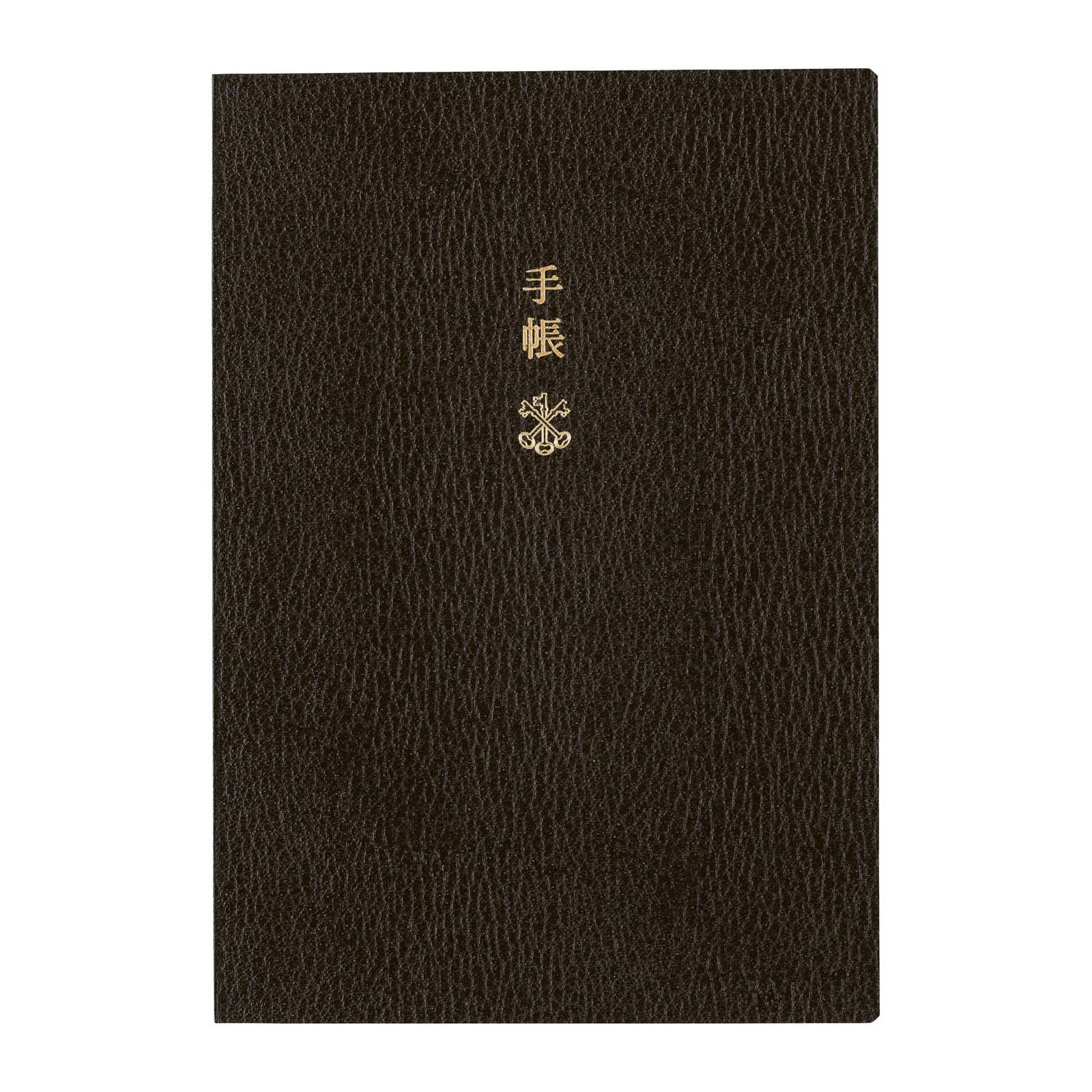
The flagship. A6 size (105 × 148mm — slightly larger than a passport), 480 pages, one page per day from January 1 to December 31. The "techo" (手帳, literally "hand notebook") that started everything. Fits in a coat pocket, comes in Japanese edition only (Japanese cover language, but month/day labels in English from 2018 onward).
Techo Cousin (A5)
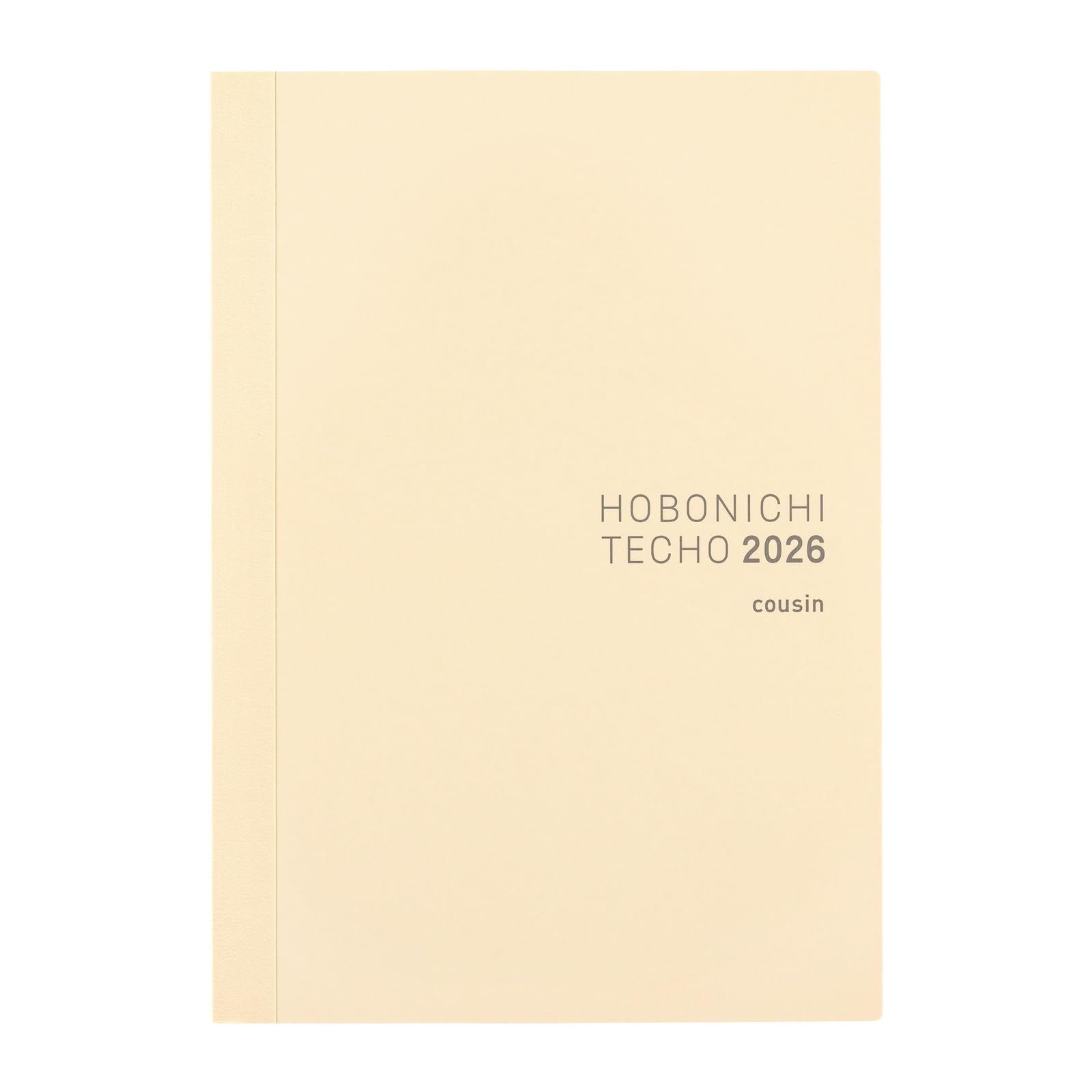
A5 size (148 × 210mm). One page per day, but on a larger page — room for sketches, taped-in receipts, photos, full meal logs. Available in both Japanese and English editions (the English edition has Sunday-start weeks and Western holidays). Generally the choice for North American users new to the system.
Hobonichi Weeks
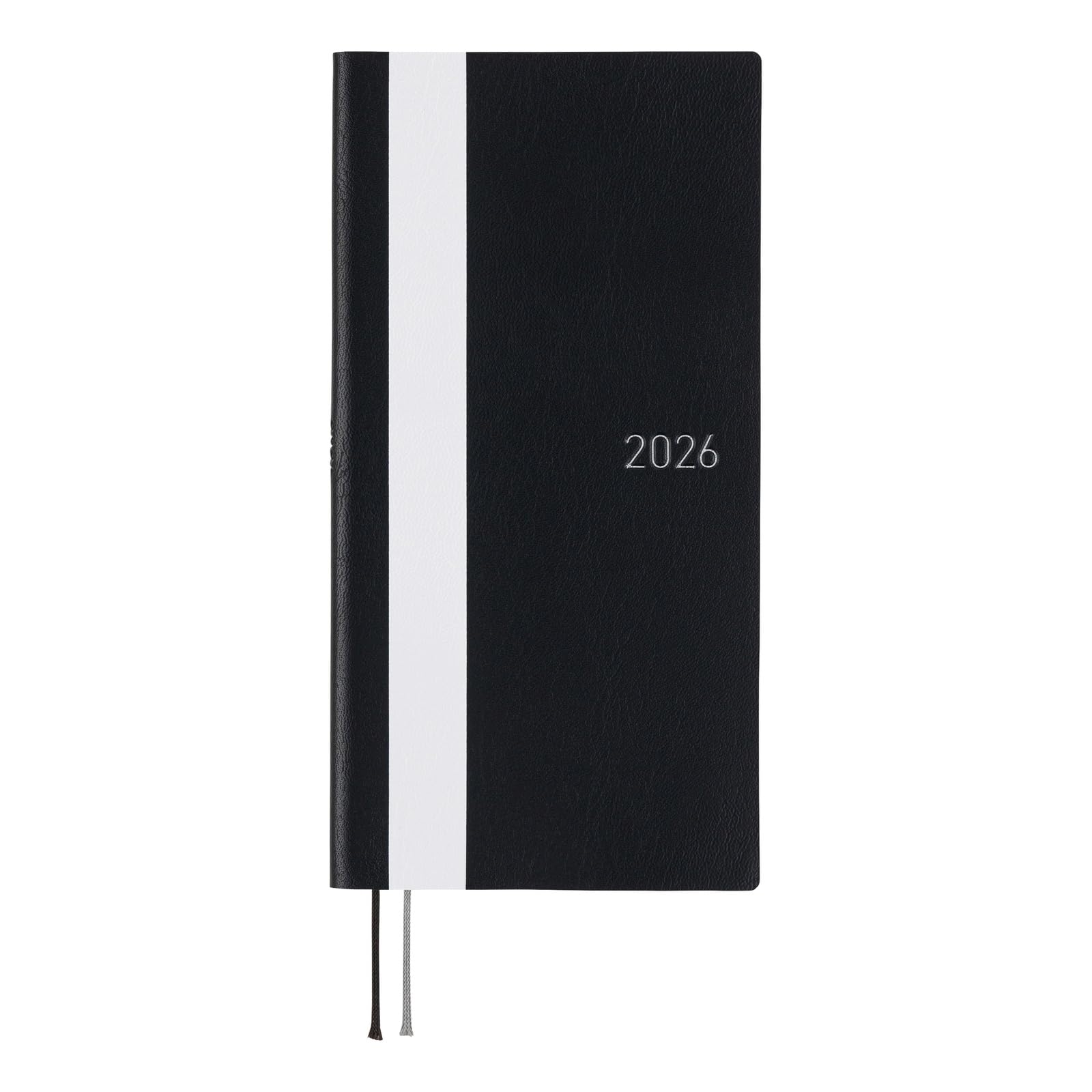
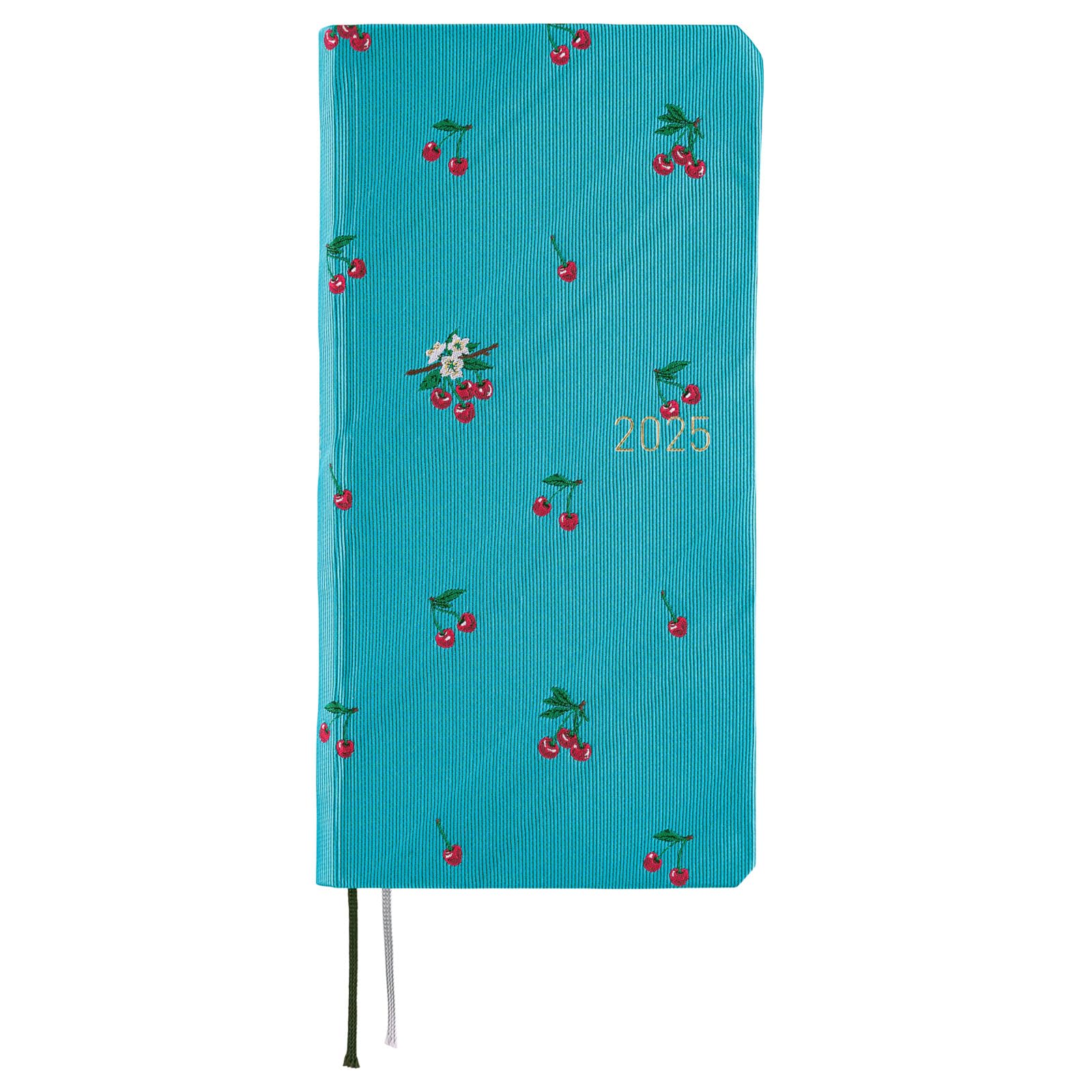
Narrower (94 × 188mm — slim and tall like a passport in landscape). Week-on-a-spread layout, with the right page left blank as a memo page. Pocket-friendly. Available in many cover colors and patterns, refreshed yearly. The choice for users who don't need a full daily page but want Hobonichi's paper quality.
Day-Free
Same A6 or A5 size as Techo/Cousin, but the daily pages are undated — pure grid, no calendar info. For users who don't fill every day (or who want to use the planner as a notebook). Often a year-round purchase, not tied to the January 1 release cycle.
The covers
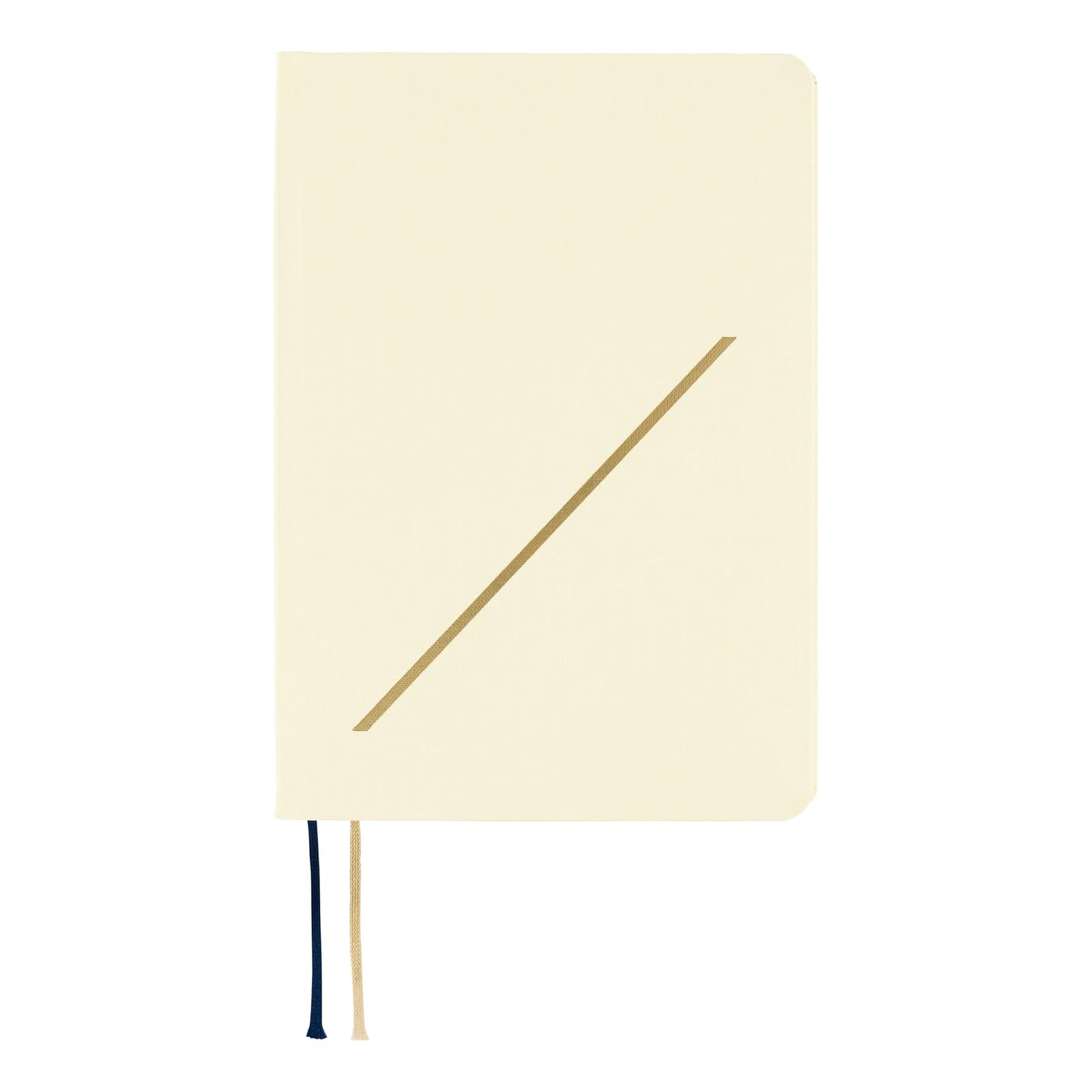
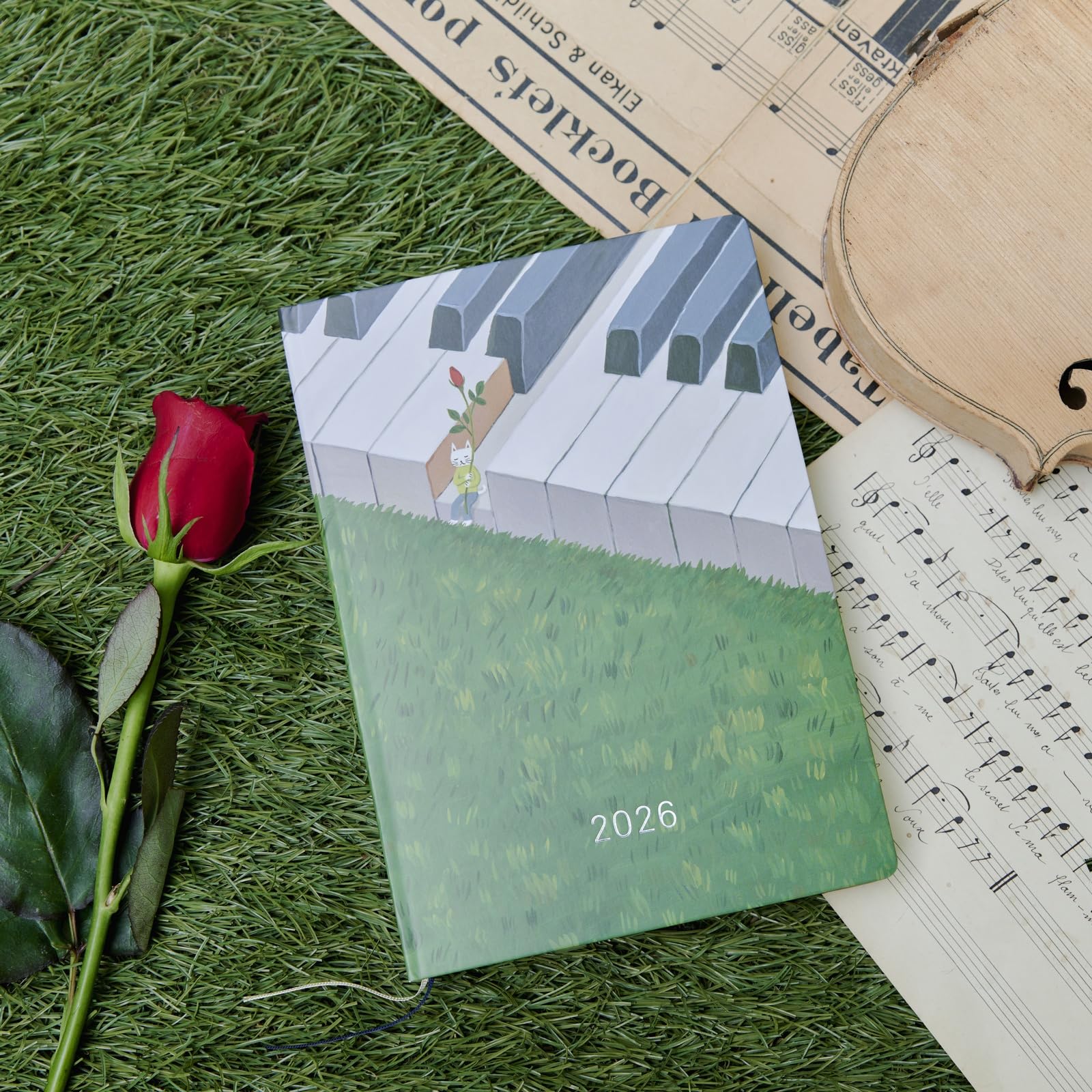
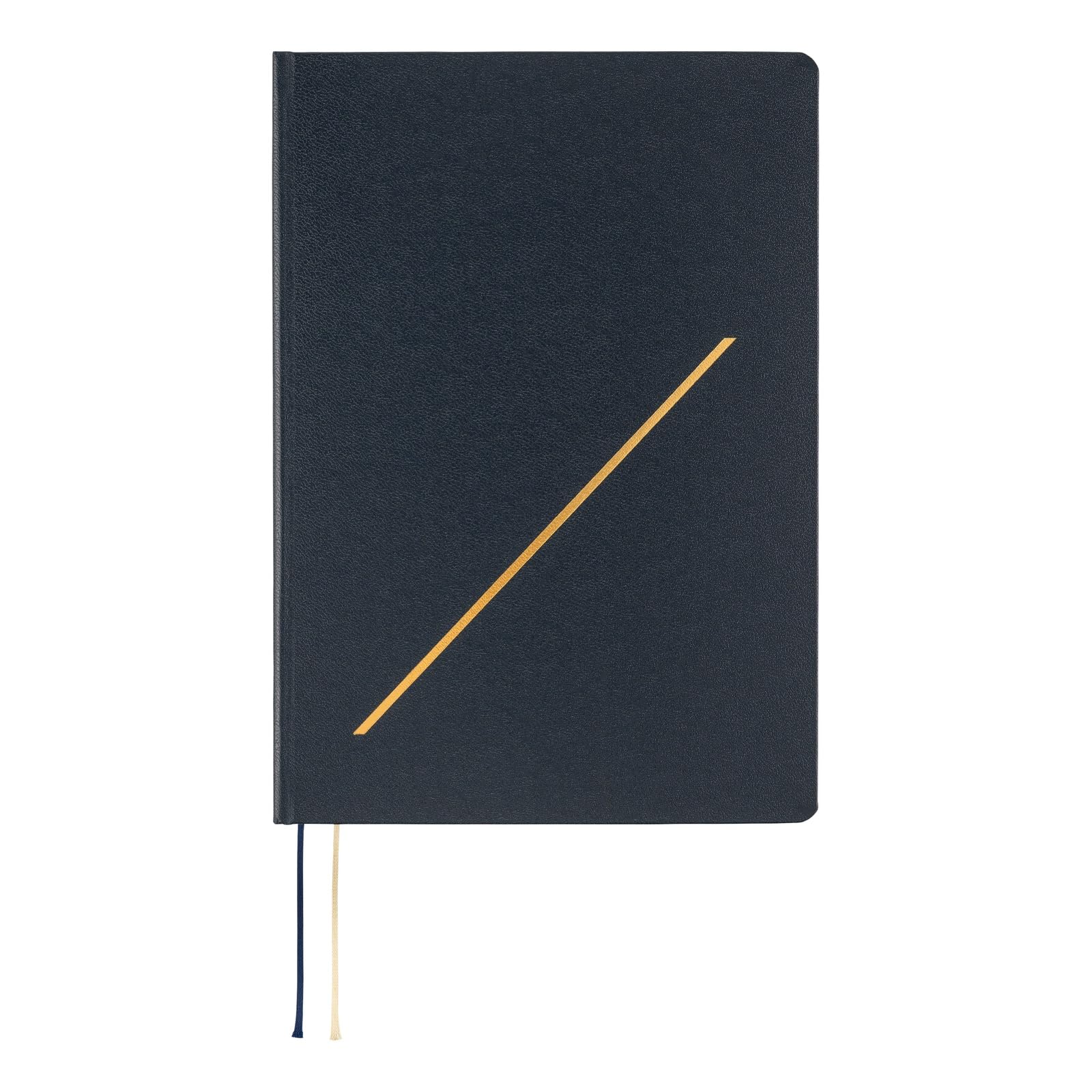
Every Hobonichi planner book is sold separately from its cover. Covers are interchangeable, refreshed annually, and are where the brand's design partnerships shine. Past collaborators include Mina Perhonen, Naoto Fukasawa, Yu Nagaba, various Studio Ghibli films, the Peanuts gang, MOOMIN, and recurring Japanese artists.
The 2026 lineup that we currently stock includes "Monoleather" (full grain leather in 8 colors), the Mina Perhonen "tambourine" embroidered series, several MOOMIN cotton-canvas designs, and the brand's own house solid-color covers (a stable baseline lineup that doesn't rotate).
Why people fall hard for this planner
Two reasons surface in nearly every cult-user account.
First: the paper. Tomoe River paper handles fountain pen ink in a way that Moleskine, Leuchtturm, and most other Western planner paper does not. Sailor ink, Pilot Iroshizuku, J. Herbin — they all dry clean and don't feather. The paper is so thin you can write on both sides of every page. The combined effect is that the planner feels generous (480 pages) without being a brick.
Second: the daily structure encourages a different kind of journaling. Each daily page has a small calendar grid at top, but is otherwise mostly blank — no time-block columns, no "gratitude" prompts, no goal-setting infrastructure. You decide what to put on the page. For users who've tried (and bounced off) structured productivity systems, this open-page format is the appeal.
Release schedule and what to know
The Japanese-edition planners go on sale in early September each year for the following year (e.g., 2026 planners on sale September 2025). English editions follow on a similar schedule. Popular cover designs sell out — sometimes within weeks — and aren't reprinted.
We stock current-year planners year-round when available, including the standard book-only purchases for users who already own a cover and just need to refill. If something you want is sold out, email hello@tokyocarry.com — we can sometimes source remaining stock from Japanese domestic retailers directly.
Shop Hobonichi
Current Hobonichi planners and covers in stock from our Tokyo hub.