BRAND STORY
Tamiya
Eighty years of Shizuoka craft turned into the most respected name in scale plastic models — and the cult-favorite Mini 4WD racing line.
From wood scraps to a model-making empire
Tamiya was founded in 1946 by Yoshio Tamiya as a wood sawmill in Shizuoka — a central-Honshu city that had been a regional wood-working hub since the Edo period. In the years following the war, with the wood industry struggling and Shizuoka’s economy looking for a new direction, Yoshio’s son Shunsaku Tamiya pushed the company into wooden model kits: small assemble-it-yourself kits of ships, planes, and locomotives sold to schools and hobbyists for a few yen apiece.
The pivotal moment came in 1959 when Tamiya transitioned from wooden to injection-molded plastic models. The first plastic kit — a 1/800 scale model of the battleship Yamato — sold out quickly. By the mid-1960s Tamiya had positioned itself as the premium Japanese plastic model maker, focusing on military vehicles in 1/35 scale, a format that became an international modeling standard largely because of Tamiya’s influence.
Why 1/35 scale armor became a global hobby
Tamiya’s 1/35 scale military vehicle kits — particularly the tanks — were a turning point for the international model hobby. Two reasons. First, the kit quality was exceptional: precise fit between parts, clean injection molding, accurate documentation, and rigorous reference photography that often sent the design team to original prototypes in European museums. Second, the box scale was generous enough to allow real detail (tracks, exhaust pipes, exterior fittings) without producing a display piece too large for an apartment.
By the 1970s, 1/35 had become the default scale for armor modeling worldwide, and Tamiya kits became reference standards against which competitors were measured. The brand continues to release new 1/35 armor kits today, including ongoing updates to classic subjects when new historical reference material surfaces.
Mini 4WD — the racing line that built a generation
For Japanese kids growing up in the 1980s and 1990s, Tamiya is associated less with tank models and more with Mini 4WD — a line of small battery-powered cars roughly the size of a paperback, built from a snap-together motorized chassis and a snap-on body. The cars are designed to be customized: gear ratios swapped, motor tunes upgraded, tires changed for different track surfaces. Then raced on multi-lane plastic tracks that Tamiya also sells.
Mini 4WD has gone through several cultural waves — the original boom in the late 1980s, a second wave in the mid-1990s alongside the Bakusou Kyoudai Let’s & Go anime series, and a current quiet revival driven by adults who raced as kids. It remains a serious hobby with regional and national racing tournaments organized by Tamiya itself.
What to buy first
If you are new to Tamiya, three picks cover most use cases:
- Mini 4WD basic kit — the most fun-per-dollar entry point. Comes with everything you need to assemble a working car: chassis, body shell, motor, gears, batteries sold separately. Hand-assembly with no glue required for most kits.
- 1/35 scale armor or military vehicle — the core Tamiya category. Look for the “Tamiya 1/35 Military Miniatures” series. Requires plastic cement and paint, but also the most rewarding to complete.
- 1/24 scale sports car or 1/12 scale motorcycle — if armor is not your thing, the Tamiya road-vehicle catalog is equally rigorous. The 1/12 scale motorcycle kits in particular have legendary status among modelers.
All kits ship from our Tokyo hub in their original Tamiya boxes with the iconic blue-and-red color scheme. Tamiya box art is collectible in its own right; we ship in protective outer cartons to preserve the box.
Shop Tamiya
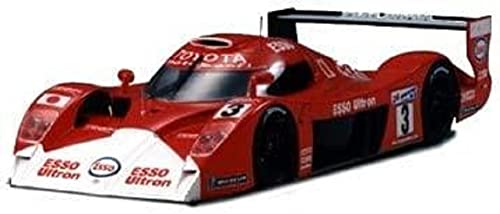
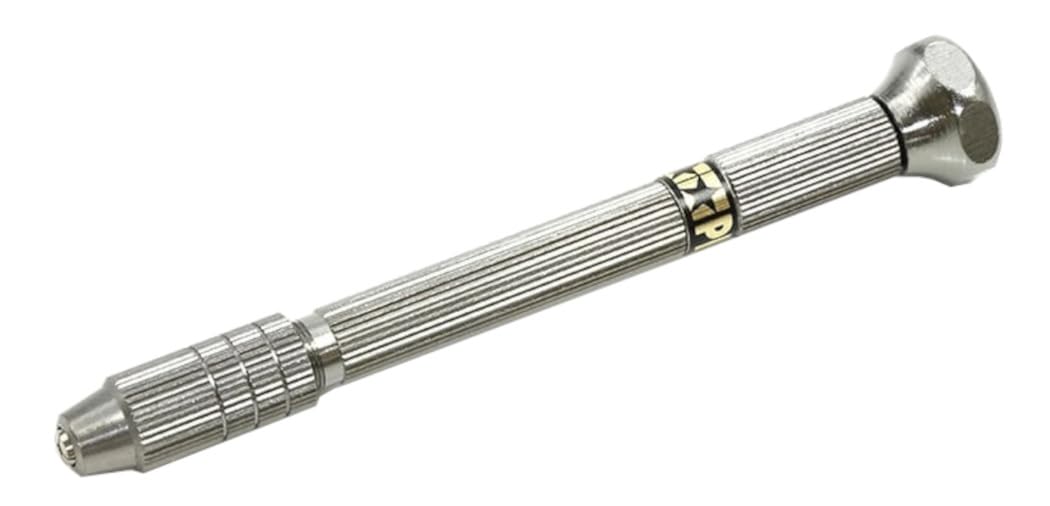
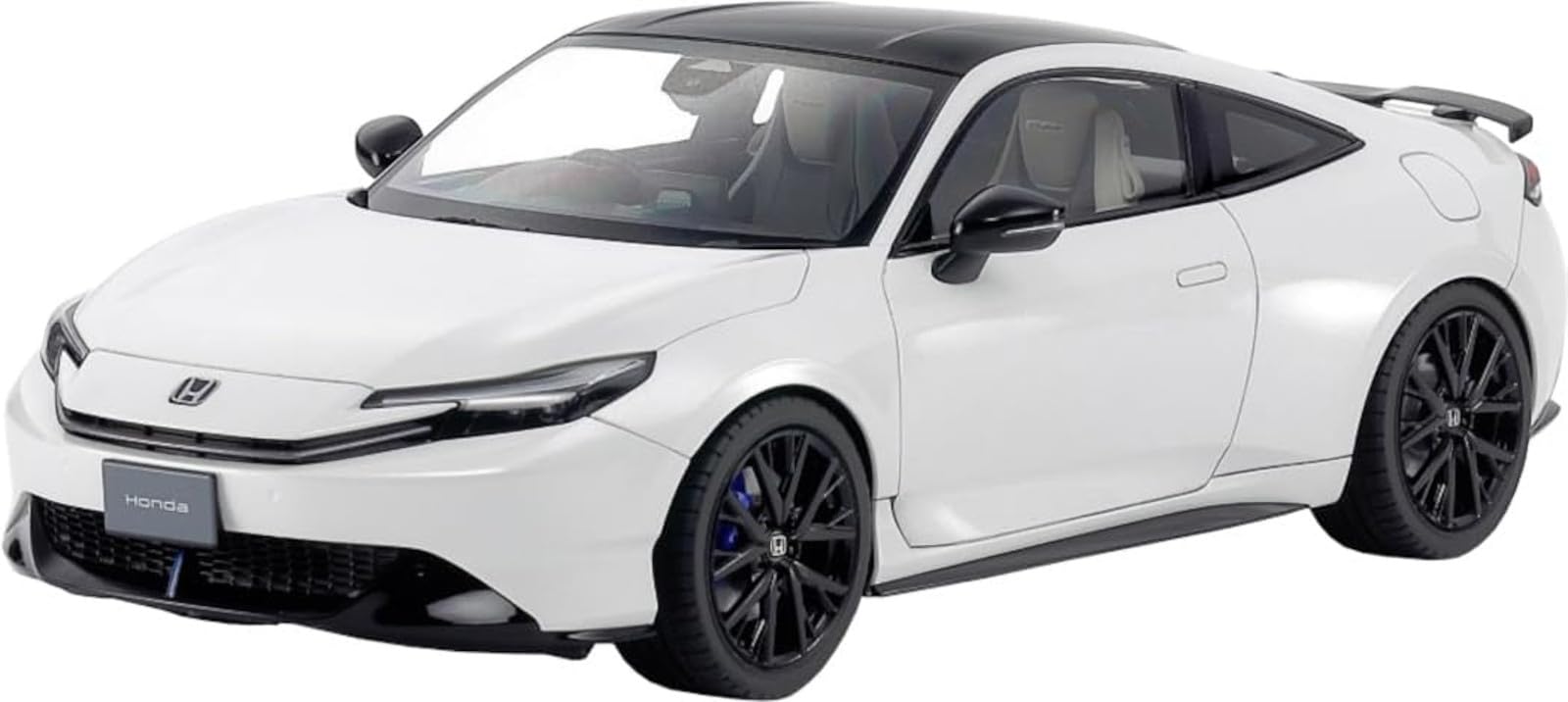
The most-loved Tamiya pieces in our catalog right now.




A note on kit completion
All Tamiya kits in our catalog are unassembled — Tamiya does not generally produce pre-built kits. Most plastic model kits require plastic cement (a different product from CA glue or hobby glue) and acrylic or enamel paint to complete. Mini 4WD chassis kits generally do not require glue and can be assembled with included screws and a small screwdriver.
Tamiya kits are designed for the patient assembler. Even the simplest 1/35 armor kit can take 8-15 hours to complete properly with paint and weathering. We package and ship the box; you build the model.