EDITORIAL
Guides
Brand stories, craft origins, buying guides, care guides, and gift guides for the Japanese goods we sell, plus how to buy Japan-only items from abroad.
Brand stories
The makers behind the products — heritage, technique, and why their work is worth seeking out.
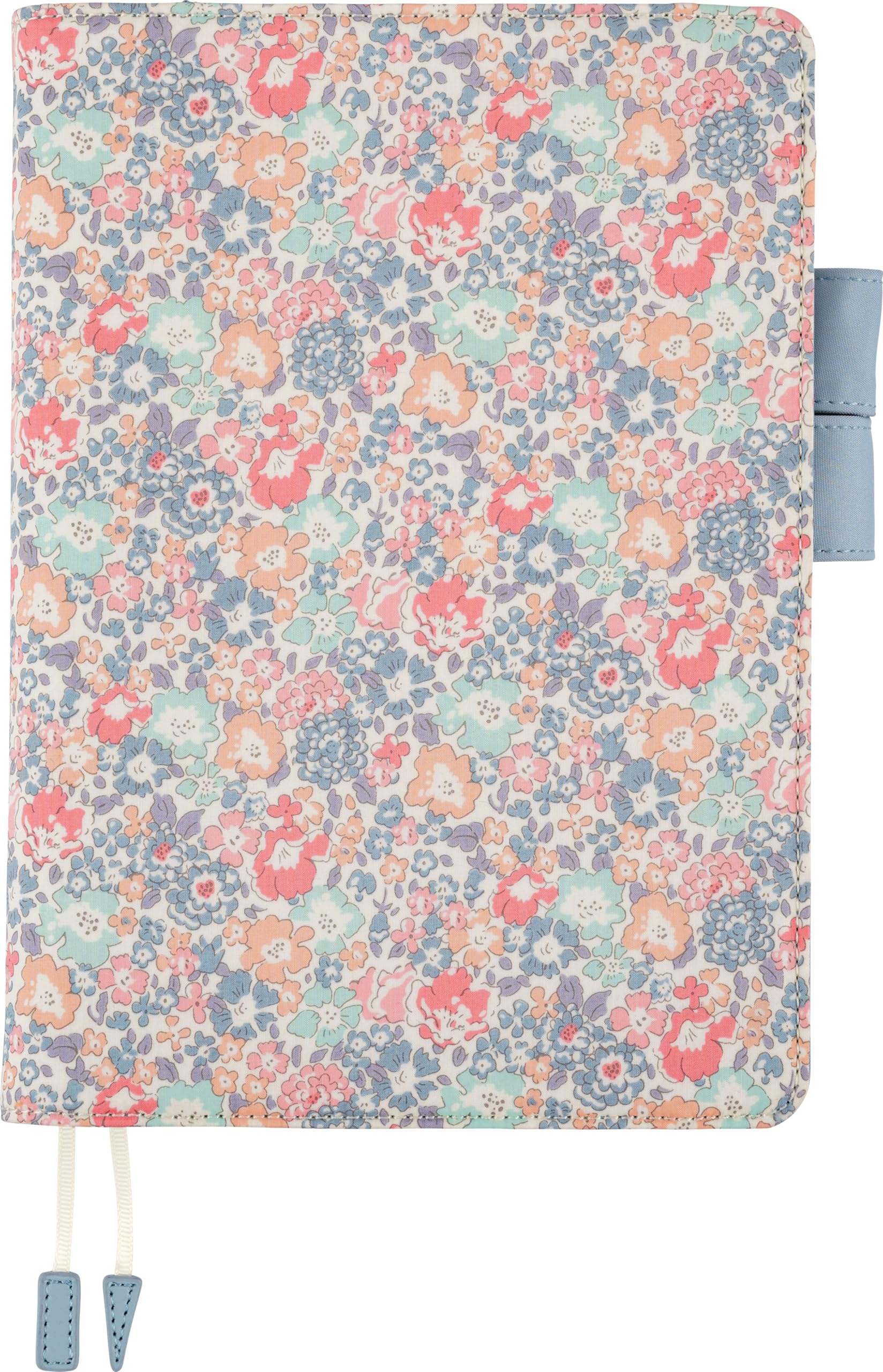
BRAND STORY
Hobonichi — the daily-life planner with a cult following
A planner system that prints on Tomoe River paper, lasts a year, and inspires a global community of users.
Read story →
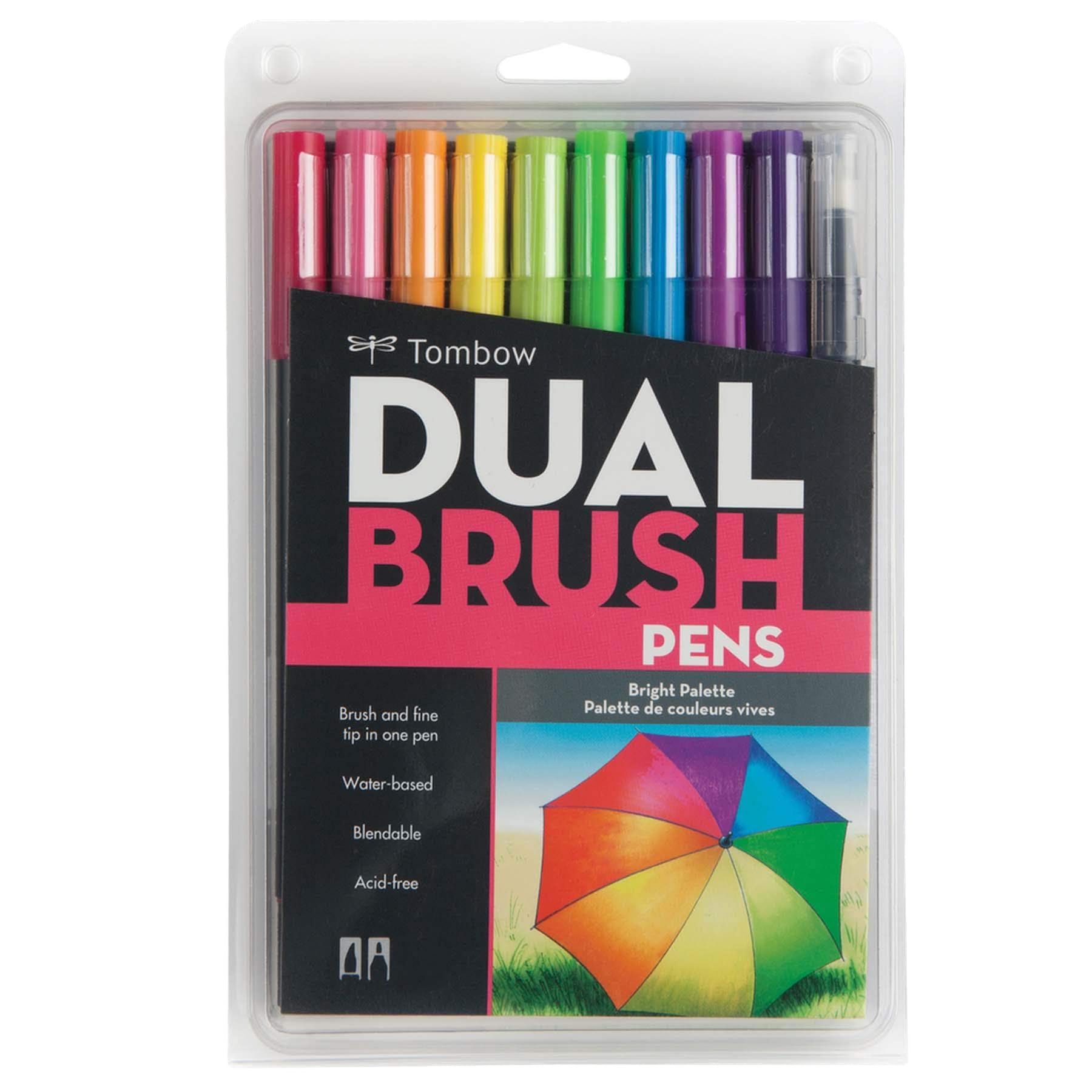
BRAND STORY
Tombow — Tokyo's 1913 pen and brush-pen house
Founded in 1913, Tombow makes the brush pens, dual-tip markers, and erasers that defined modern Japanese stationery.
Read story →
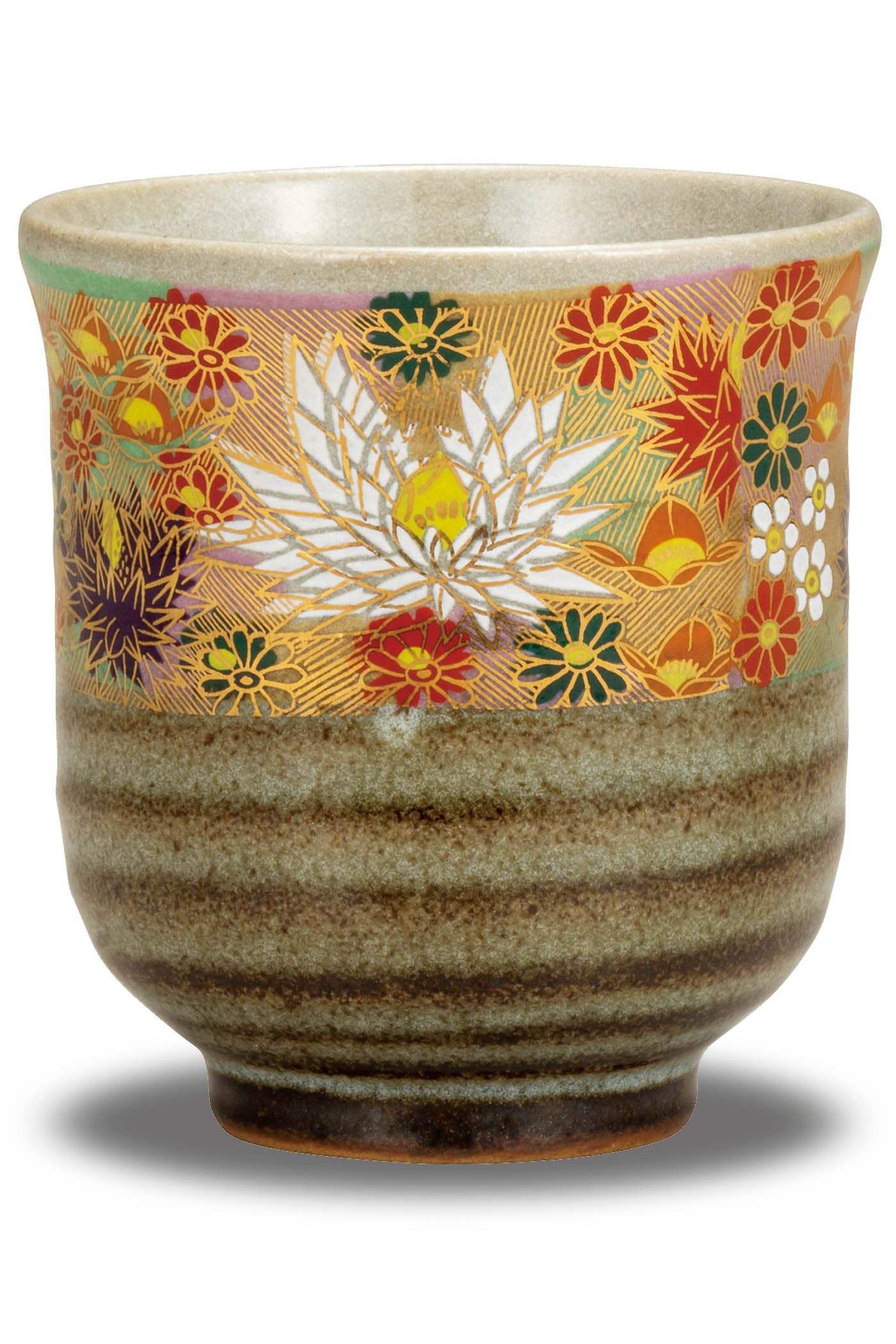
BRAND STORY
Kutani Ware — 350 years of Ishikawa porcelain
Ko-Kutani, Mokubei, Yoshidaya, Iidaya, Shoza — the five overglaze styles that built Kutani's reputation.
Read story →
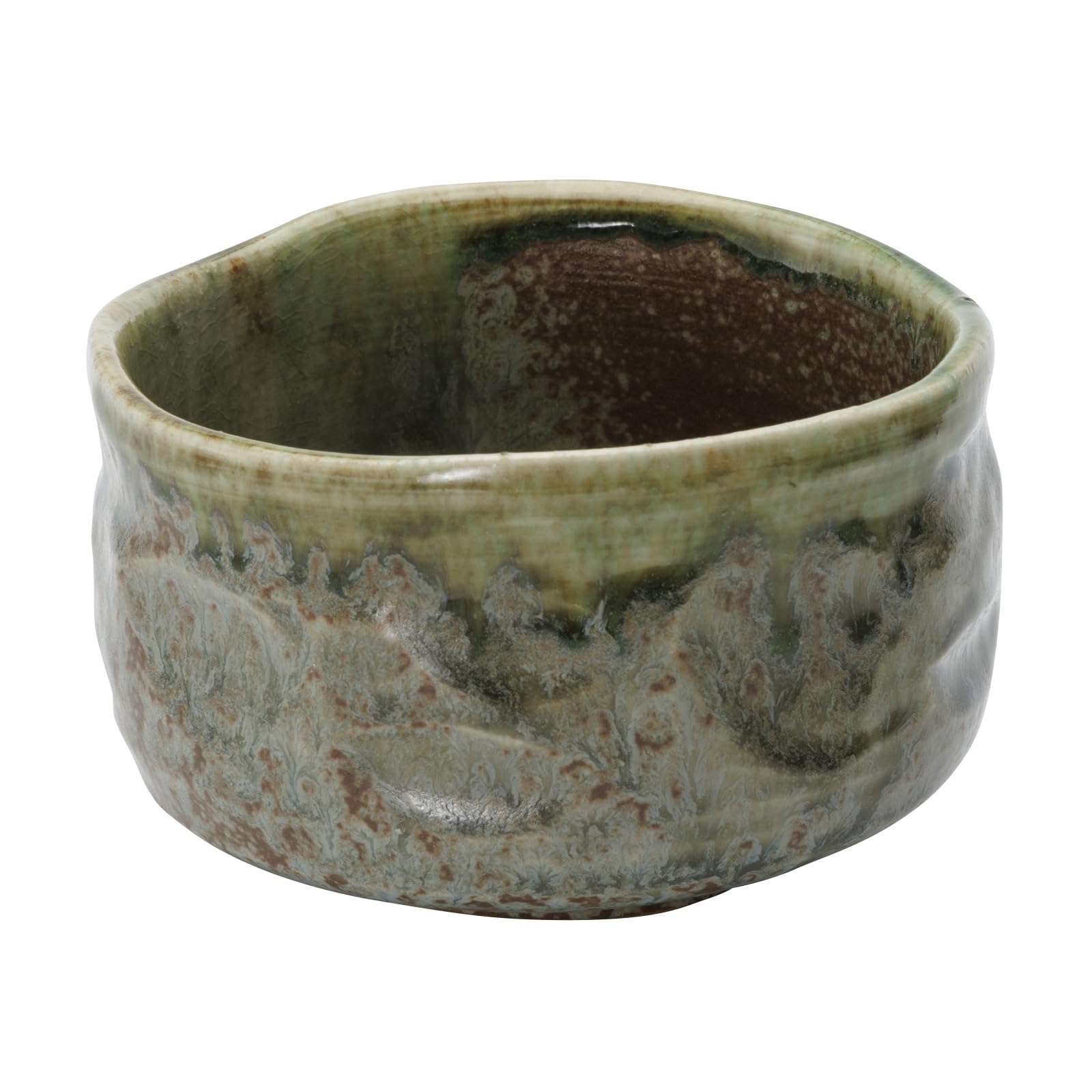
BRAND STORY
Mino Ware — the porcelain that defines daily Japanese tables
Over half of Japan's domestic tableware comes from one Gifu kiln town. Here's why Mino-yaki is everywhere — and why that matters.
Read story →
Craft origins
Japan's historic craft regions — kilns, glasshouses, lacquerware towns — and what makes each tradition unique.
CRAFT ORIGIN
Mino-yaki — Gifu's thousand-year pottery tradition
The kiln town that produces over half of Japan's tableware, and the four styles every collector should recognize.
Read story →
CRAFT ORIGIN
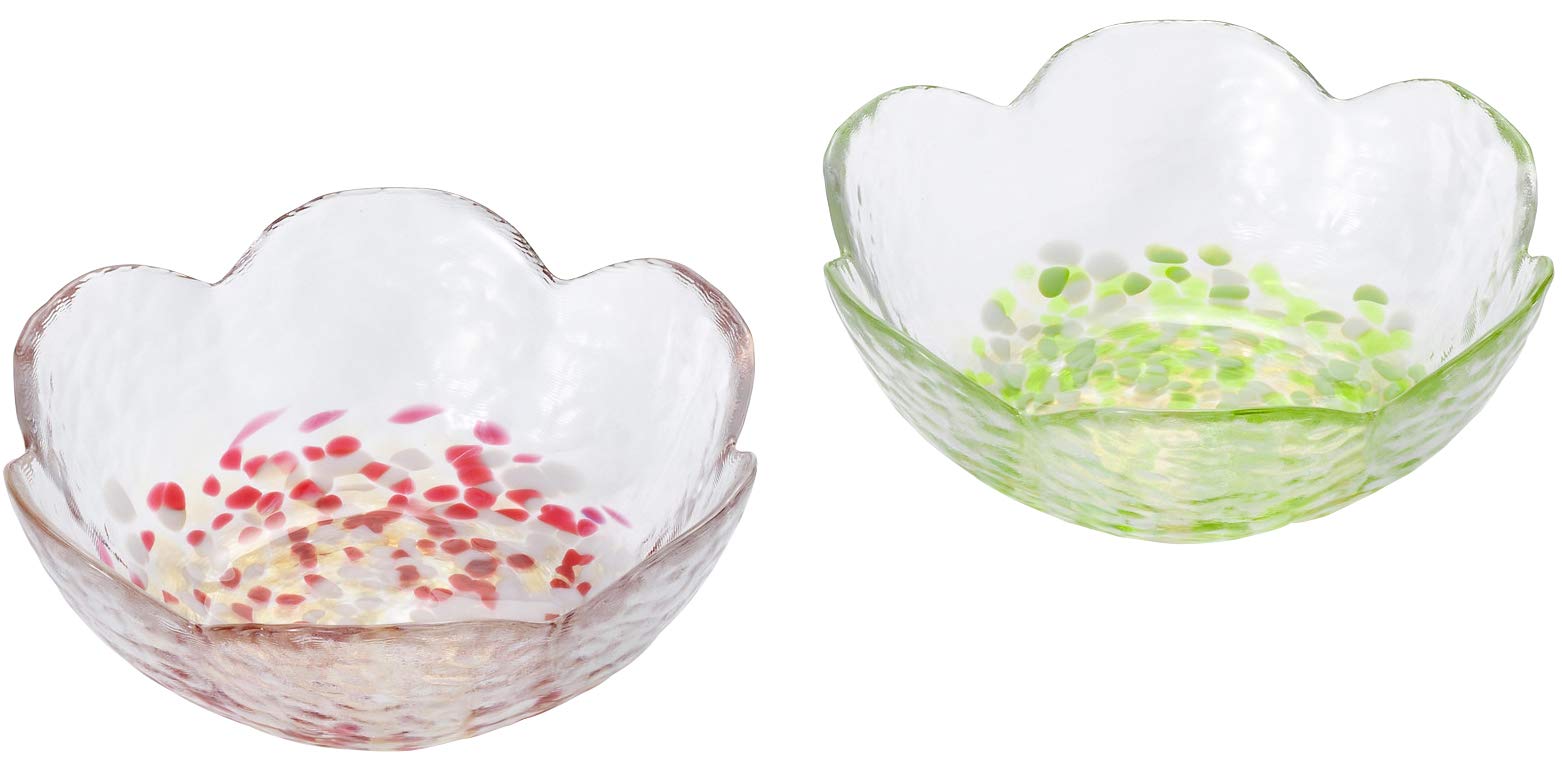
Tsugaru Vidro — the hand-cut glass of Aomori
How Aomori's wild-color glass tradition is made, and what the seasonal pattern names actually mean.
Read story →

CRAFT ORIGIN
Hasami Ware — Nagasaki's modern everyday porcelain
A 400-year kiln town that mass-produced affordable porcelain, now leading Japan's contemporary tableware revival.
Read story →

CRAFT ORIGIN
Tokoname — the spiritual home of the Japanese teapot
Iron-rich red clay, unglazed surfaces that absorb tea oils, and the side-handle kyusu that defined a tea culture.
Read story →
CRAFT ORIGIN
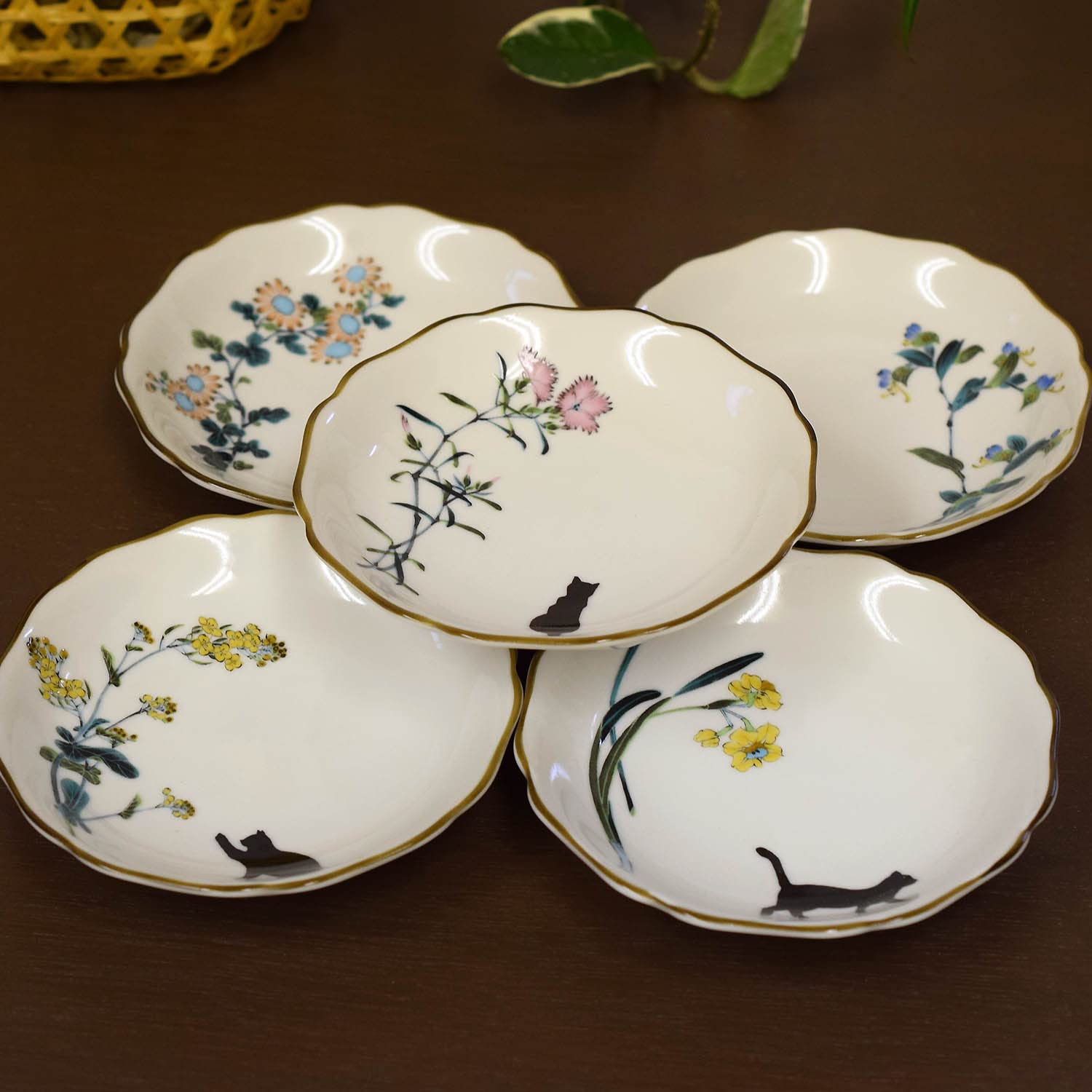
Kutani-yaki — the bold overglaze tradition of Ishikawa
Recognizable by jewel-toned reds, greens, and yellows. The five historical styles and what makes each distinctive.
Read story →
Buying guides
Frameworks for picking the right piece — by size, style, use case, and budget.
BUYING GUIDE
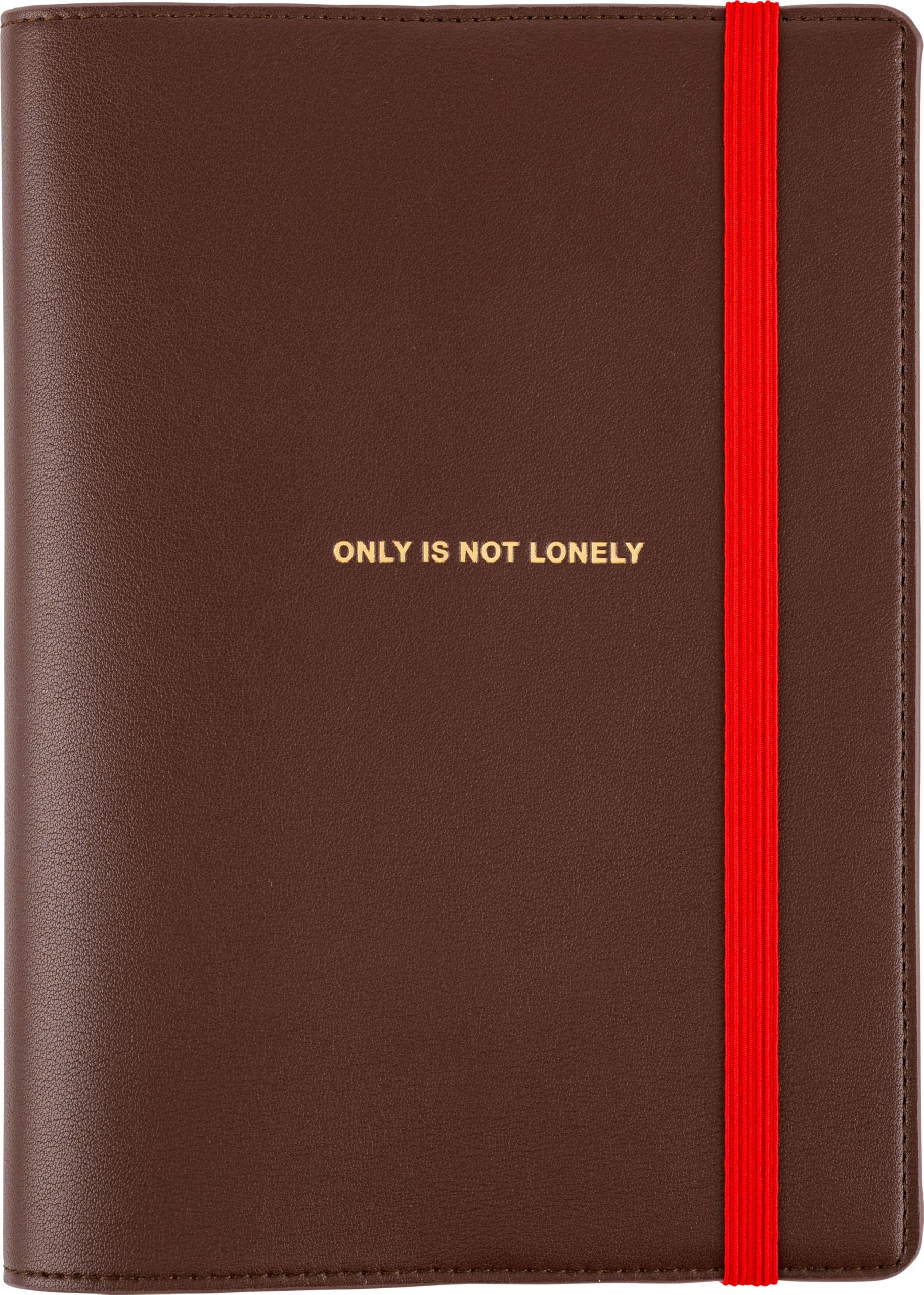
How to choose a Hobonichi planner
Techo Original, Cousin, Weeks, Day-Free — which Hobonichi format fits your life, and why size matters.
Read story →
BUYING GUIDE
How to choose a Japanese teapot
Kyusu vs houbin vs dobin, Tokoname vs Banko vs Hagi — pick the right teapot for the tea you actually drink.
Read story →
BUYING GUIDE
Mino-yaki vs Hasami-yaki — what's the difference
Both are everyday Japanese tableware, both are affordable, but they come from different kiln towns with different sensibilities.
Read story →
Care guides
How to maintain Japanese goods for decades, not seasons.
CARE GUIDE
How to care for a Japanese cast iron kettle
Seasoning, daily rinsing, and what NOT to do — keep your Iwachu or Nambu tetsubin for decades.
Read story →
CARE GUIDE
How to care for a Japanese kitchen knife
Honing, sharpening on a whetstone, hand-washing, and storing carbon steel without rust.
Read story →

CARE GUIDE
How to care for Japanese lacquerware
Wajima-nuri, Tsugaru-nuri, and modern urushi pieces — keep the finish bright for generations.
Read story →
Gift guides
Curated gift ideas across price points.
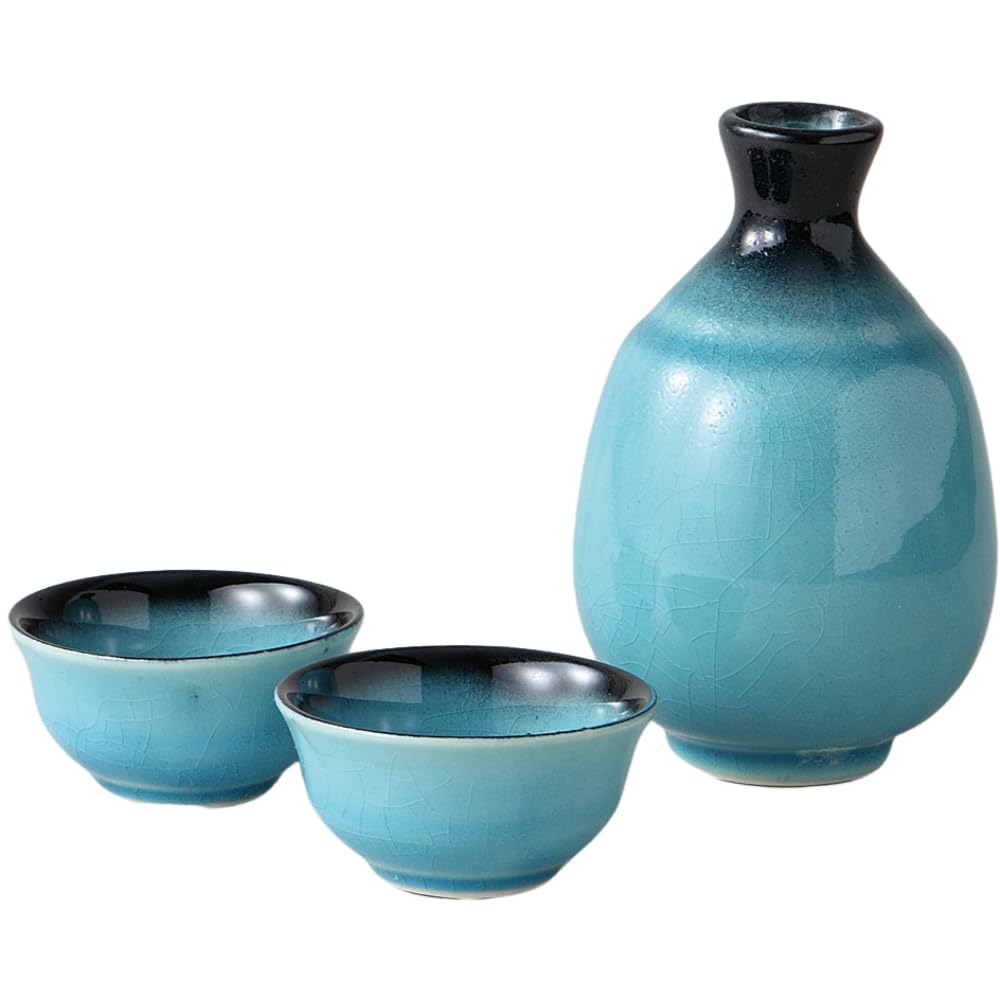
GIFT GUIDE
Japanese tea ceremony starter — a thoughtful gift set
Matcha bowl, bamboo whisk, scoop, and a beginner-friendly tea — everything to start a daily matcha practice.
Read story →
GIFT GUIDE
Japanese stationery gifts for students
Pens that won't run out, planners that actually get used, and notebooks worth carrying — for high school, college, and beyond.
Read story →
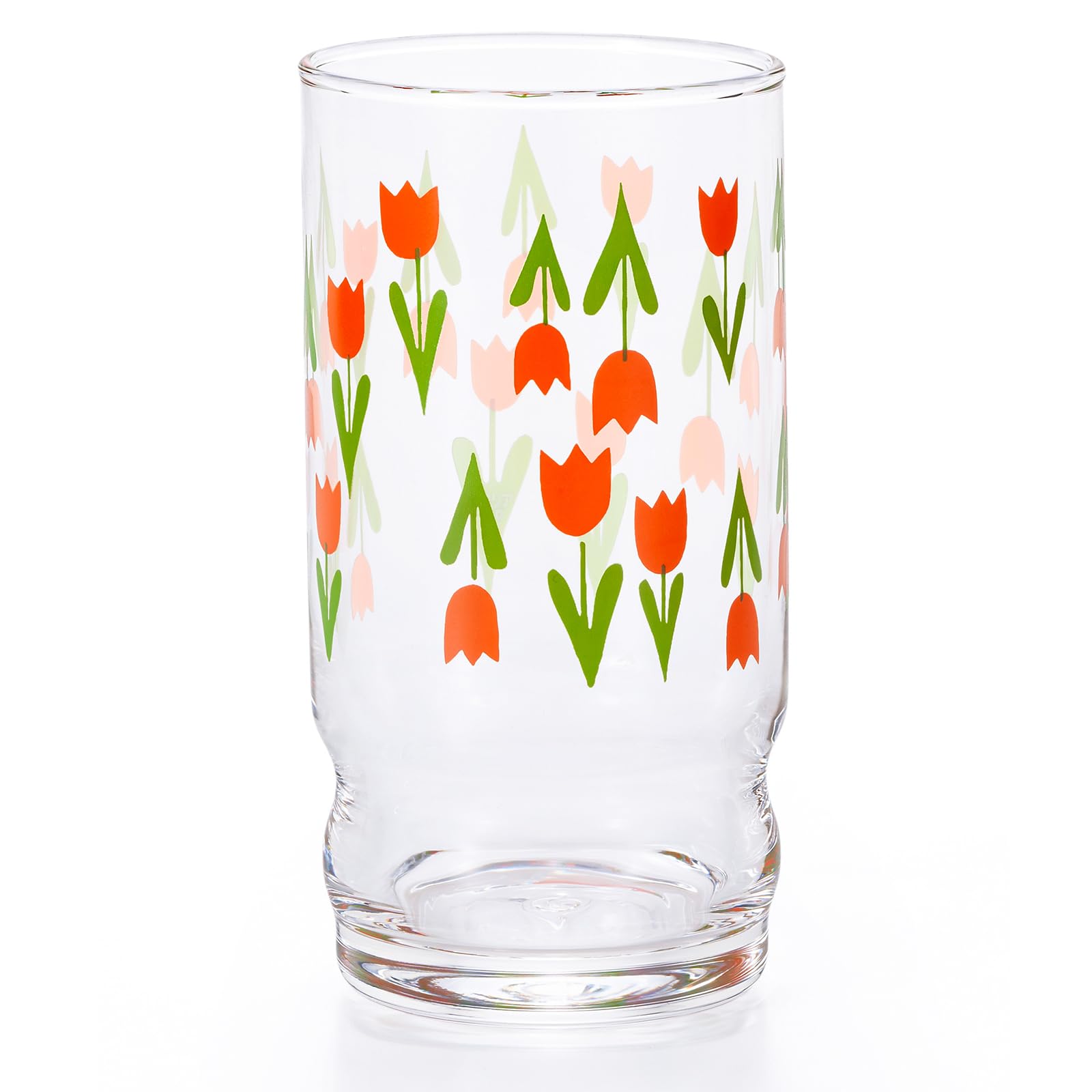
GIFT GUIDE
Japanese gifts under $50
Beautiful, useful, properly packaged. Twelve gift-worthy picks from our Tokyo team under fifty dollars.
Read story →
Buying from Japan
Japan-only releases and shops that don't ship overseas — and how our personal shopper gets them to you.
- How to buy Japan-only Uniqlo & GU from the US
Japan-exclusive collaborations, GU ranges and sizing — and how to get them shipped to you. - Buying Hobonichi limited editions from Japan
Japanese-edition planners, collaboration covers and store-limited items the international store may not carry. - Beyblade X Japan exclusives: how to get them
App, event and store-limited releases sold only in Japan — what to know before you request one. - Japanese car parts & accessories shipped to the US
Genuine dealer accessories and JDM parts from Japanese shops — part numbers, fitment and shipping limits.