BRAND STORY
Aderia
Tsugaru Vidro — the wild-color, hand-finished glass that’s been made in Aomori for over two centuries.
A two-century glassmaking story
Aderia traces its origin to 1819, when Tokuyama Glass was founded in Edo (now Tokyo) to make handblown pharmacy bottles and lamp shades for the Tokugawa shogunate’s expanding network of pharmacies. Through five generations of family ownership and the rise of industrial glass in the 1880s, the company evolved alongside Japan’s modernization. In the postwar period, Tokuyama Glass became part of the Ishizuka Glass Group and adopted the Aderia name (a portmanteau of “advanced” and the Japanese onomatopoeia for the ring of fine crystal).
What makes Aderia distinctive today is its partnership with the small Tsugaru Vidro glassblowing workshop in Hirosaki, Aomori — a region known for its harsh winters, brilliant cherry-blossom springs, and a Meiji-era glassmaking tradition that nearly died in the mid-20th century before being revived as artisan craft.
What “Tsugaru Vidro” actually means
“Tsugaru” is the historic name for the western half of Aomori Prefecture, the northernmost tip of Honshu — a place of long winters and extreme seasonal color. “Vidro” is a Portuguese loanword (from vidro, meaning glass) that entered Japanese in the 16th century during early European trade contact. The combination signals something specific: glass made in Aomori in the style of the region’s natural color palette, finished by hand.
Every Tsugaru Vidro piece is made by blowing molten clear glass over a layer of colored glass fragments that have been arranged in a pattern. As the bubble expands, the colors stretch and blur in unpredictable ways — each piece unique. The piece is then shaped by hand, cooled slowly, and given a final cold-cut finish that produces the characteristic flat-cut rim.
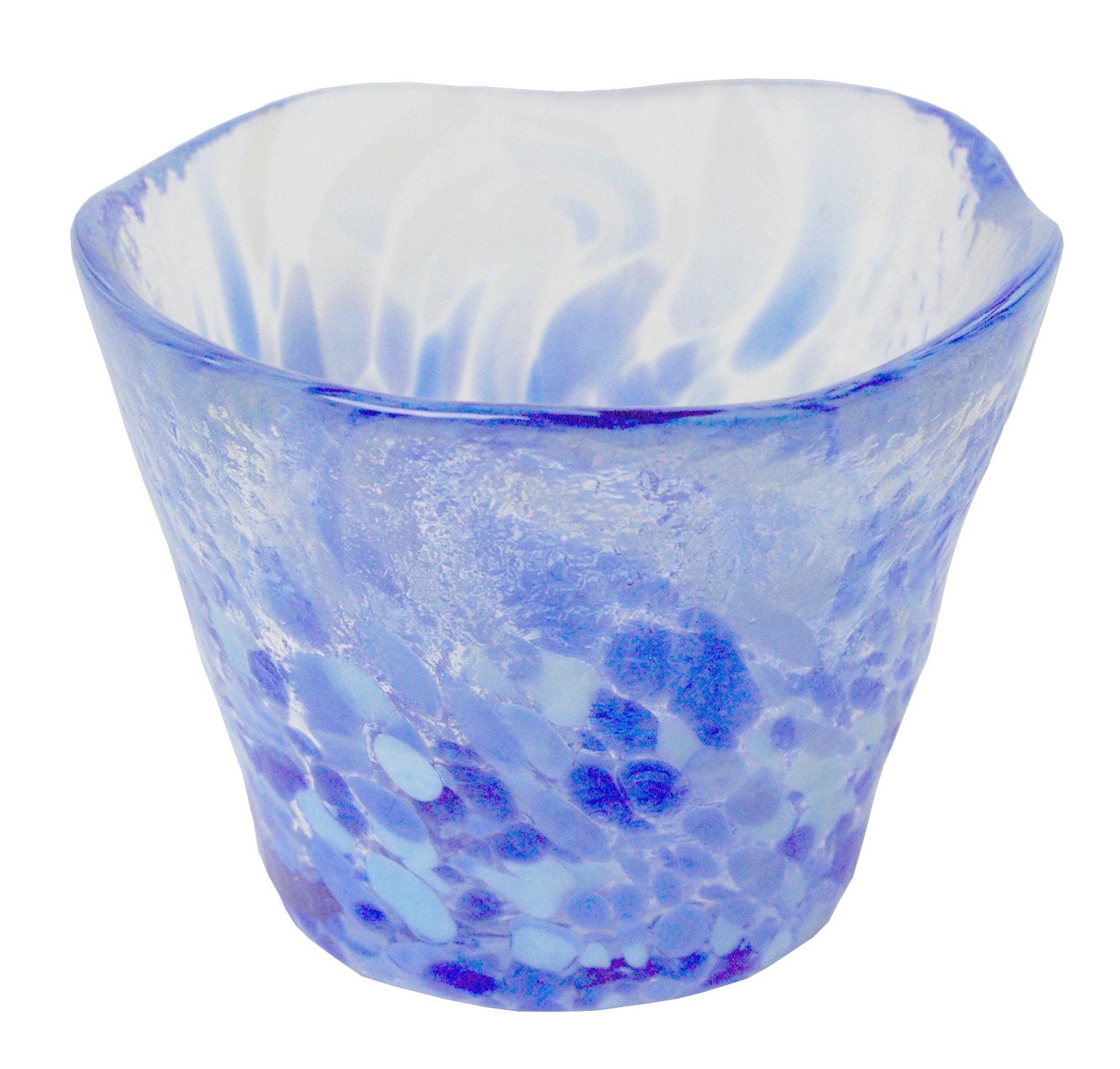
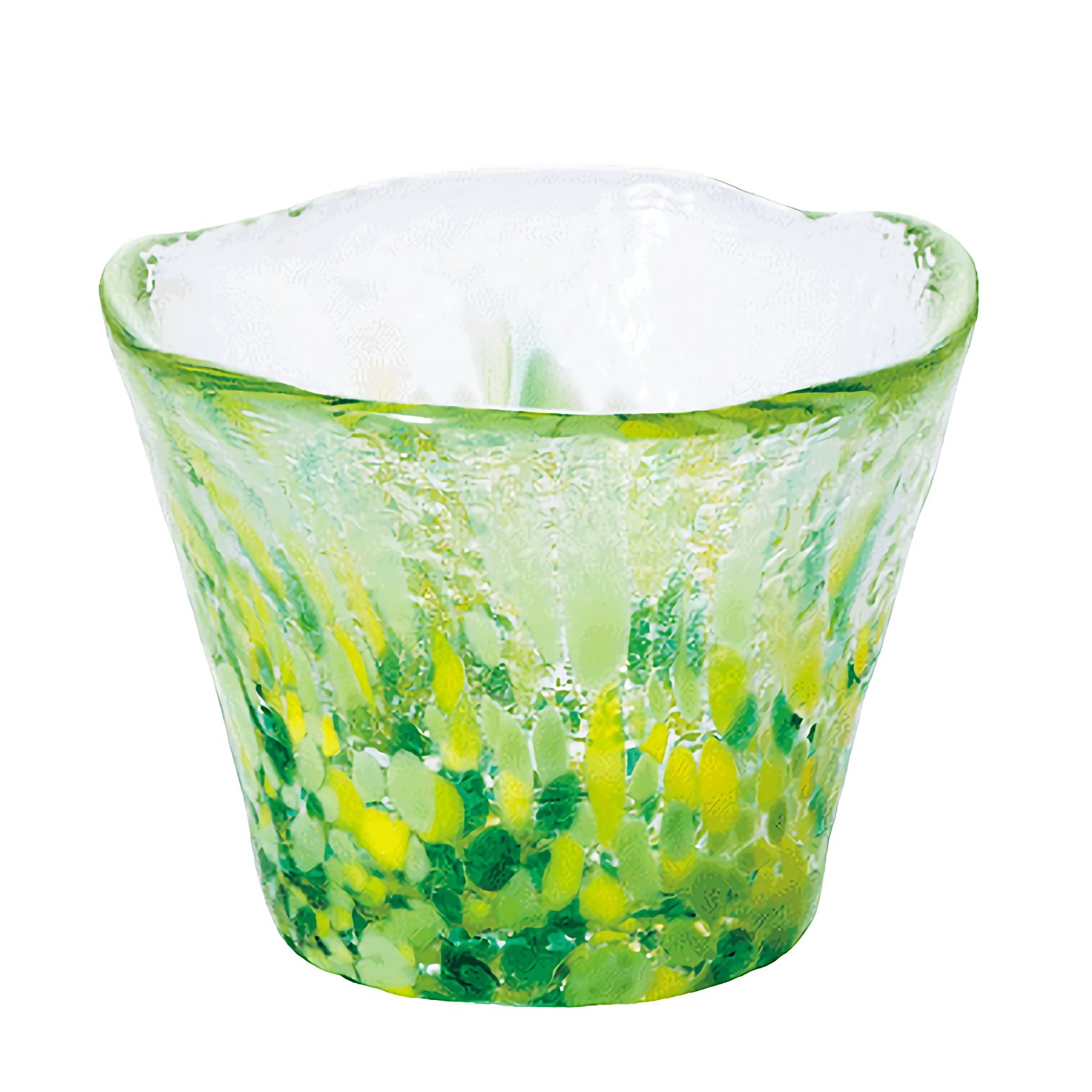
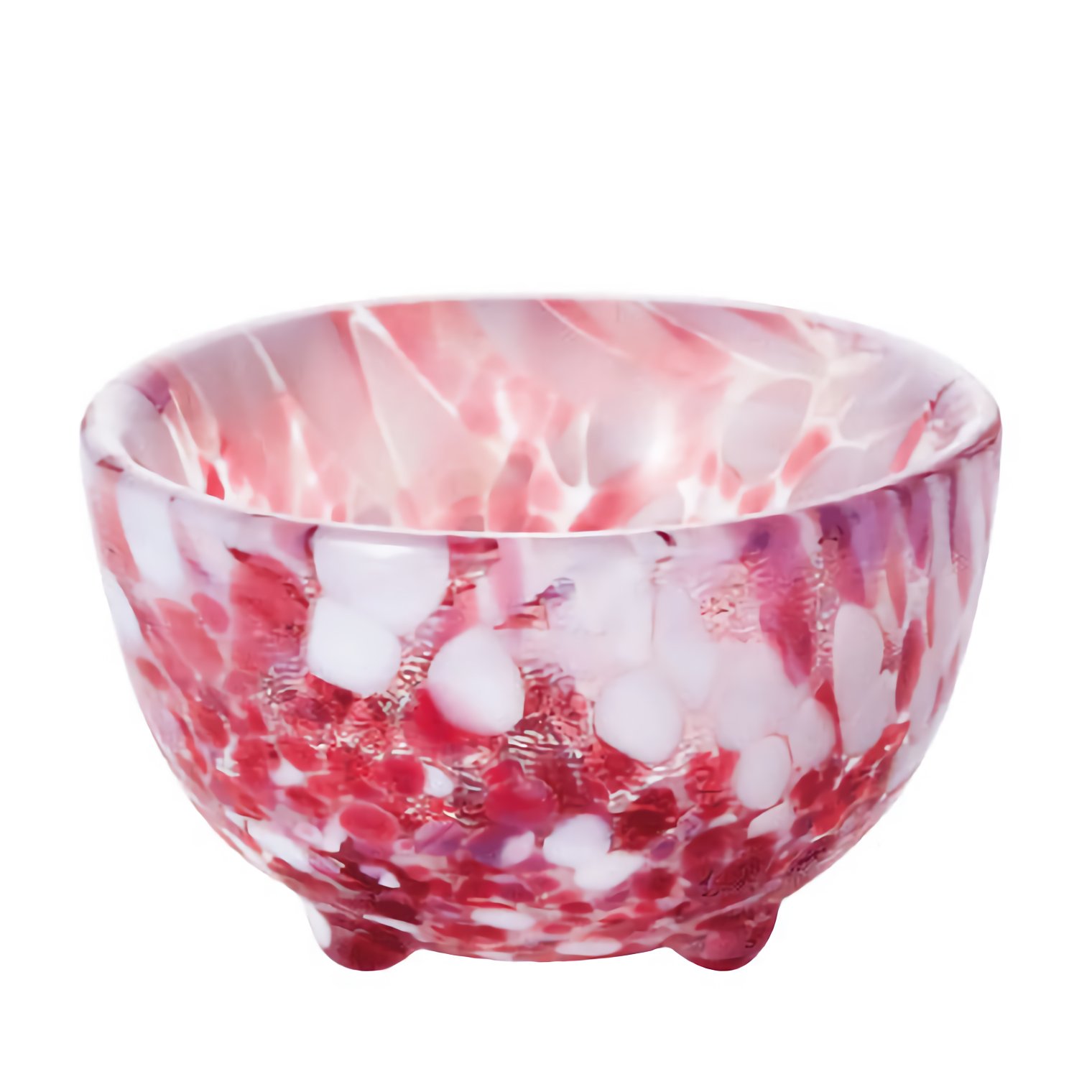
The names of the color patterns are evocative: Sakura Fubuki (cherry-blossom blizzard — pink and white on clear), Unkai (sea of clouds — blue and white), Yamawakaba (fresh mountain leaves — green), Aki-Kaze (autumn wind — amber and brown), Hare-yaka (clear weather — light blue and gold). These aren’t just product names; they’re references to the seasonal moments an Aomori grandparent might describe to a grandchild.
Why Aderia is worth seeking out
A lot of “Japanese glassware” on the international market is mass-produced in China and stamped with vaguely Japanese branding. Aderia is the real thing: Japanese company, Japanese makers, made in Japan. The Tsugaru Vidro line in particular is made by hand at a small Hirosaki workshop that employs roughly two dozen glassblowers — the same workshop that produces commissioned pieces for Japanese hot-spring inns and ceremonial sake distributors.
The price point is also remarkable. A single hand-finished Tsugaru Vidro sake cup retails for around $25–30 — dramatically less than European art-glass equivalents like Riedel or Iittala, despite the comparable handwork involved. That’s a function of Japanese domestic glassmakers competing on craft rather than brand, and of Aderia’s scale within the Ishizuka group keeping distribution costs low.
What to buy first
If you’re new to Aderia, three picks cover most use cases:
- Tsugaru Vidro Sake Cup (Sakura Fubuki or Unkai pattern) — the entry point. Around $26. Holds 90ml, works for chilled or room-temperature sake, and gift-boxes beautifully.
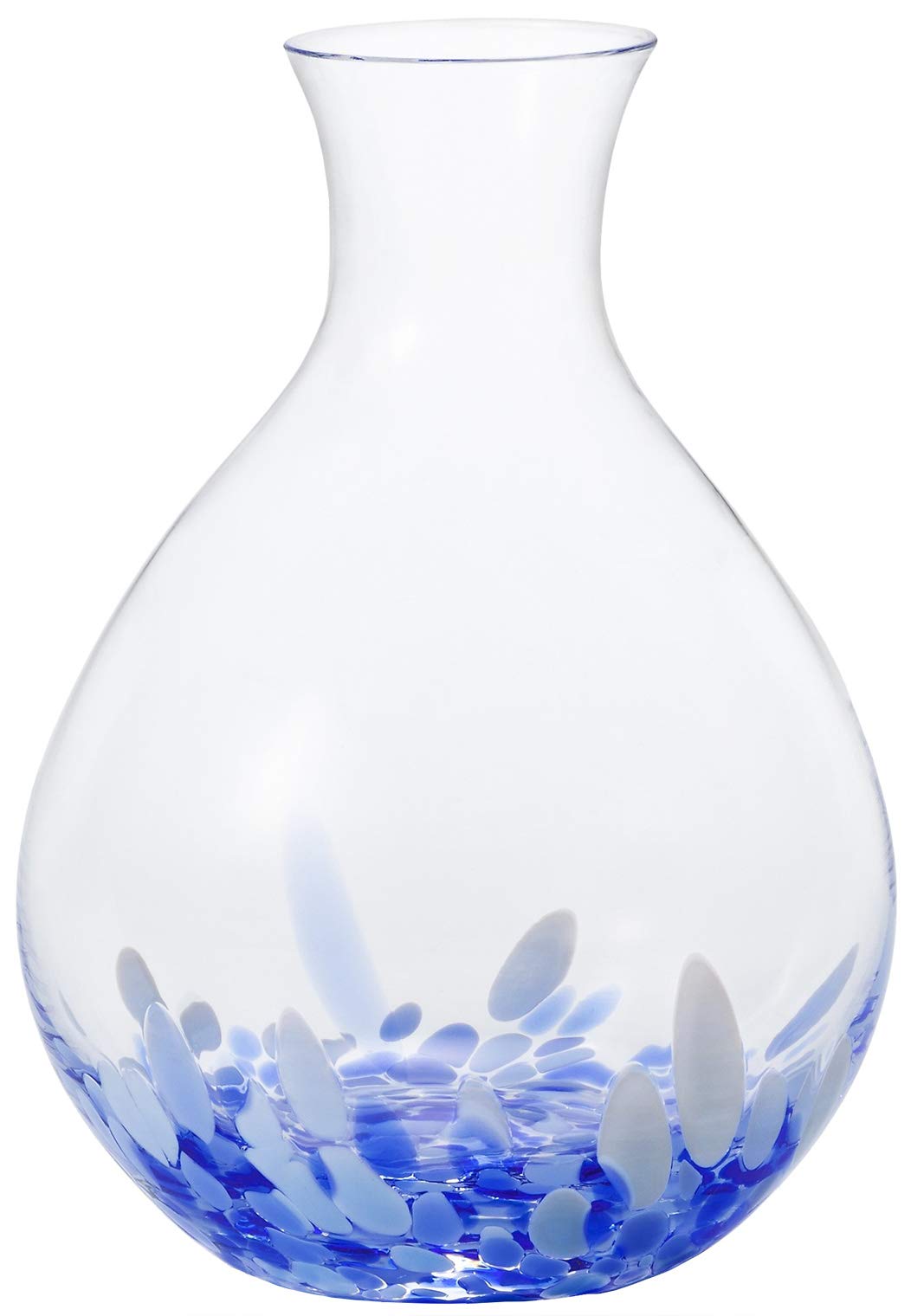
- Tsugaru Vidro Sake Pitcher (Tokkuri) — the matching carafe. Holds 365ml. Pair with a guinomi cup or two for a complete ceremonial sake set, or use as a small decanter.
- Edo Kiriko-style Beer Glass — Aderia’s separate cut-glass line, which uses traditional Edo Kiriko cutting techniques on clear or amber crystal. Heavier than the Tsugaru Vidro line, more formal.
All ship from our Tokyo hub in protective bubble wrap with corner protection and double-walled cartons. Glass damage rate on our outbound shipments is currently under 0.5% (we track this).
Shop Aderia
The most-loved Aderia pieces in our catalog right now.



Caring for Tsugaru Vidro
Hand wash in warm water with a soft sponge. The colored glass particles are embedded in the wall thickness, not painted on, so they don’t fade or rub off — but the cold-cut rim is sharper than machine-polished glass and can chip if you knock it against a hard sink edge. Air-dry rather than towel-dry to avoid lint catching on the texture.
Avoid: dishwashers (heat-shock can stress the fused color layers over time), ice cubes dropped directly into the glass (use chilled liquid instead), and microwave use (uneven heating).