BRAND STORY
Mino Ware
The Gifu kiln region that produces over half of Japan's tableware — and the four Momoyama-era styles that built its reputation.
The most-used name in Japanese tableware
If you eat a meal in a Japanese home, a Japanese restaurant, or a Japanese convenience-store bento, the plate or bowl is most likely Mino Ware. The region's share of Japan's domestic tableware market sits around 50% — a single cluster of kilns in Gifu Prefecture supplying half of an entire country's ceramics demand. The reason: the area has clay deposits, kilns, and trained workshops that have continuously produced pottery since the Asuka period (around 700 CE).
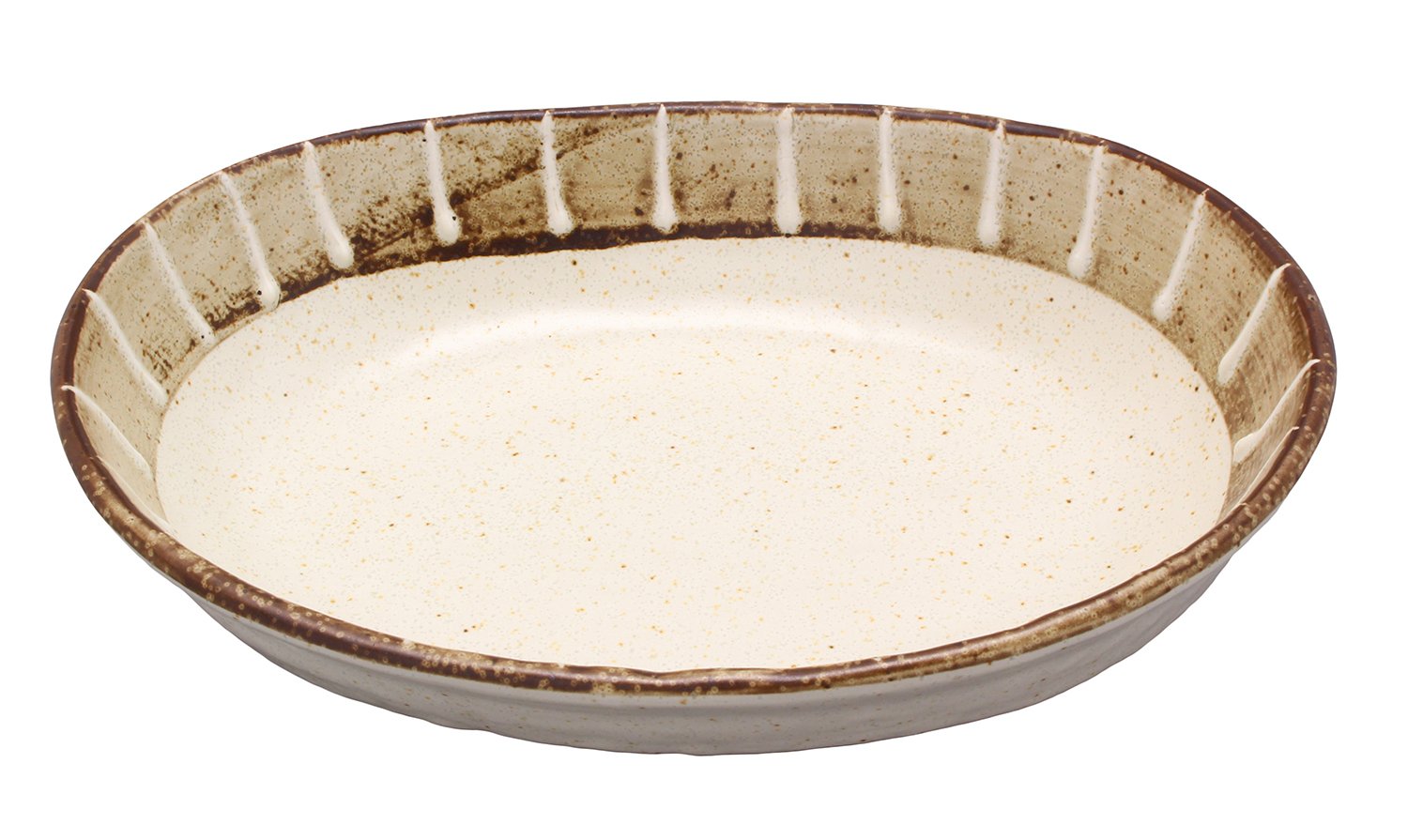
"Mino Ware" is a category name, not a single brand. Hundreds of small kilns and workshops in Tajimi, Toki, Mizunami, and Kani identify their pieces as Mino-yaki. Some are tea-ceremony-focused single-potter studios; most are small family factories producing daily-use tableware for the domestic and export markets.
The four classical styles
Mino Ware became internationally significant in the late 16th century when potters in the region developed four distinct styles for the rapidly expanding tea-ceremony market under warlords Hideyoshi and Ieyasu:
Shino (志野)
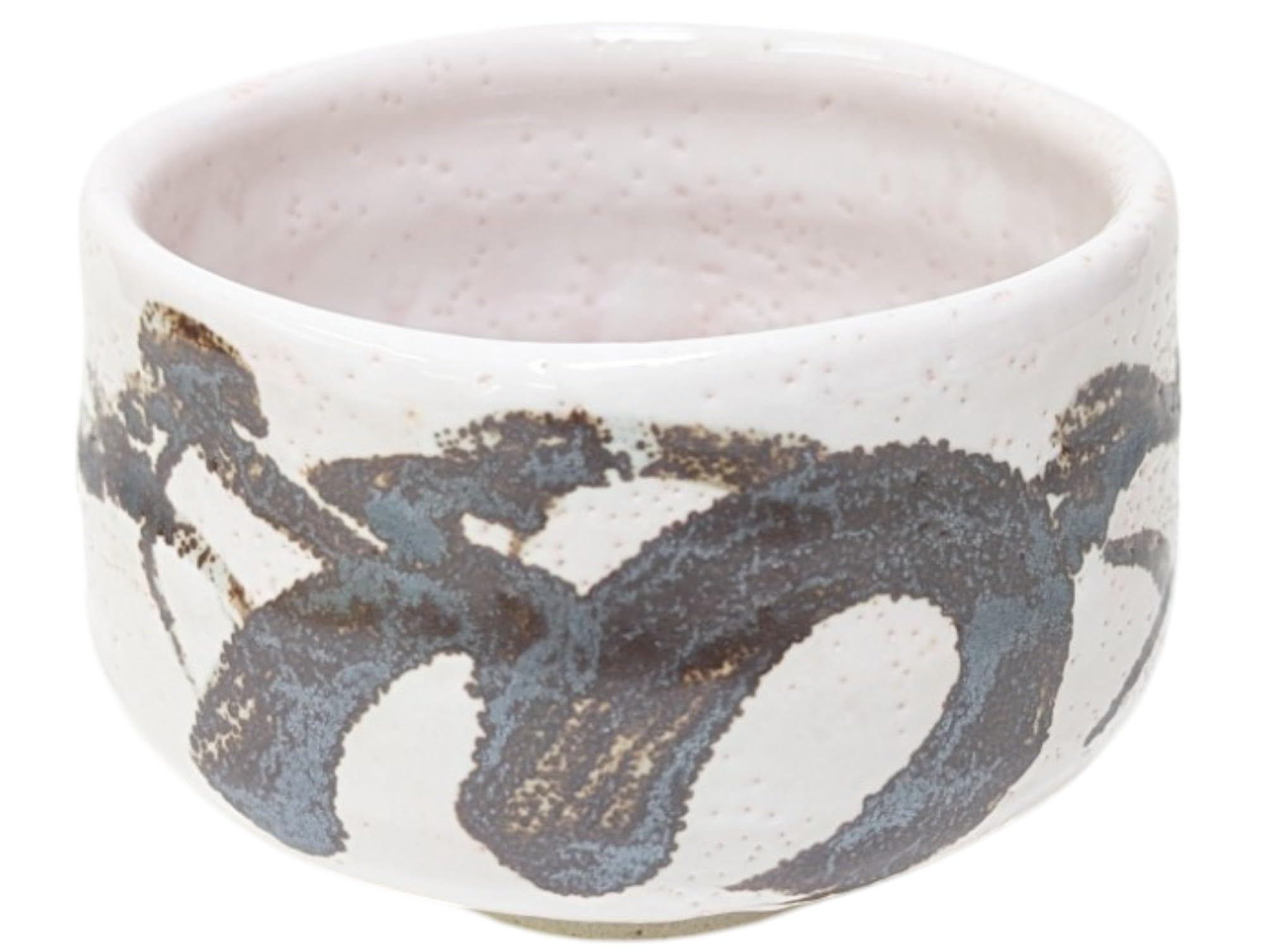
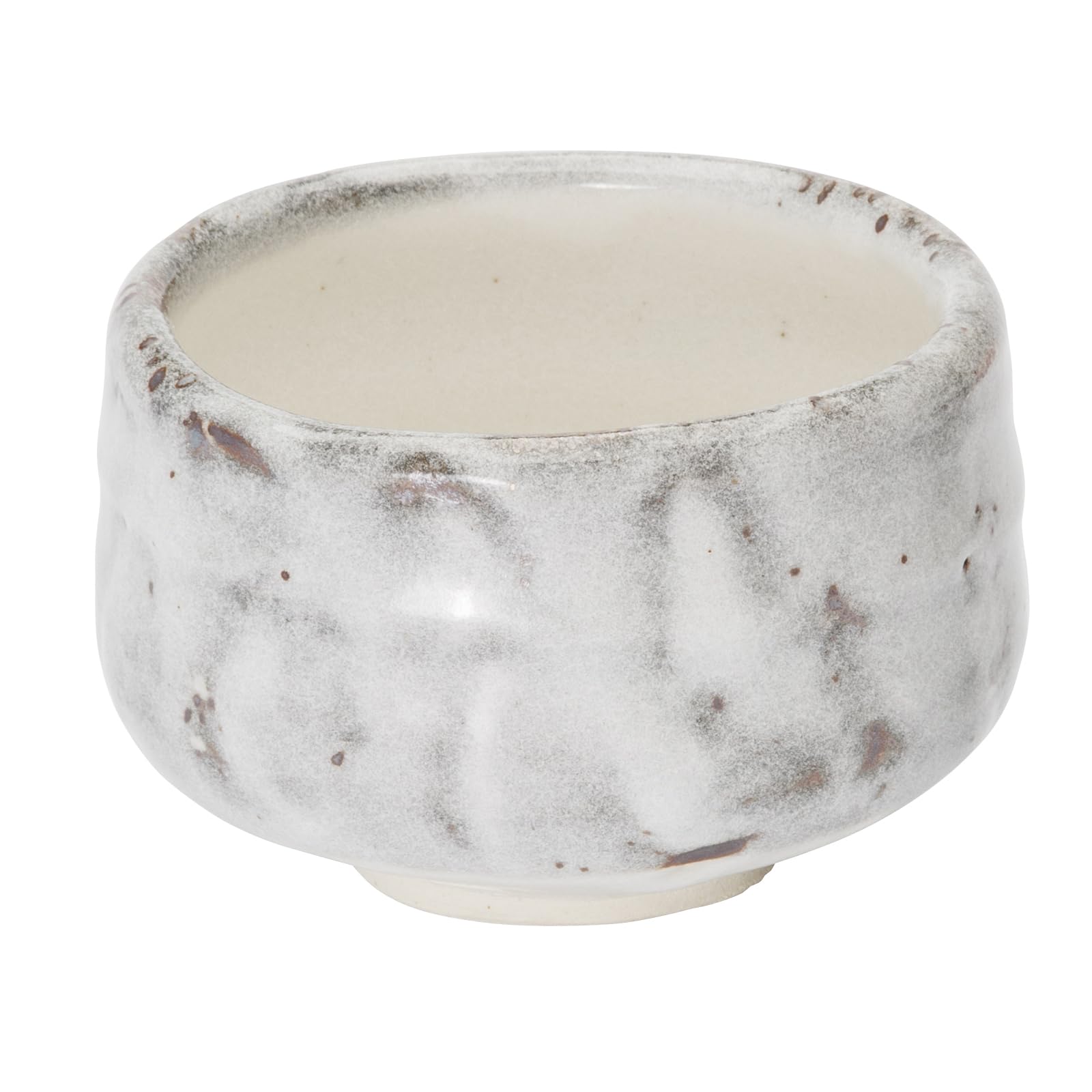
Thick milky-white feldspar glaze over brushed iron-oxide underglaze. Fires warm orange-pink in spots where the glaze pulled thin during firing — these scorch marks are called hiiro ("fire color") and are valued, not considered flaws. The first Japanese pottery style to use a true white glaze. Often decorated with quick brush paintings of grasses, abstract motifs, or family crests.
Oribe (織部)
Named for the tea master Furuta Oribe (1543–1615). Copper-green glaze that often darkens to almost black near the rim, combined with white patches painted with iron-oxide geometric or floral motifs. Deliberately asymmetric shapes — Oribe championed pottery that looked alive rather than perfect. The most visually distinctive Mino style.
Setoguro (瀬戸黒)
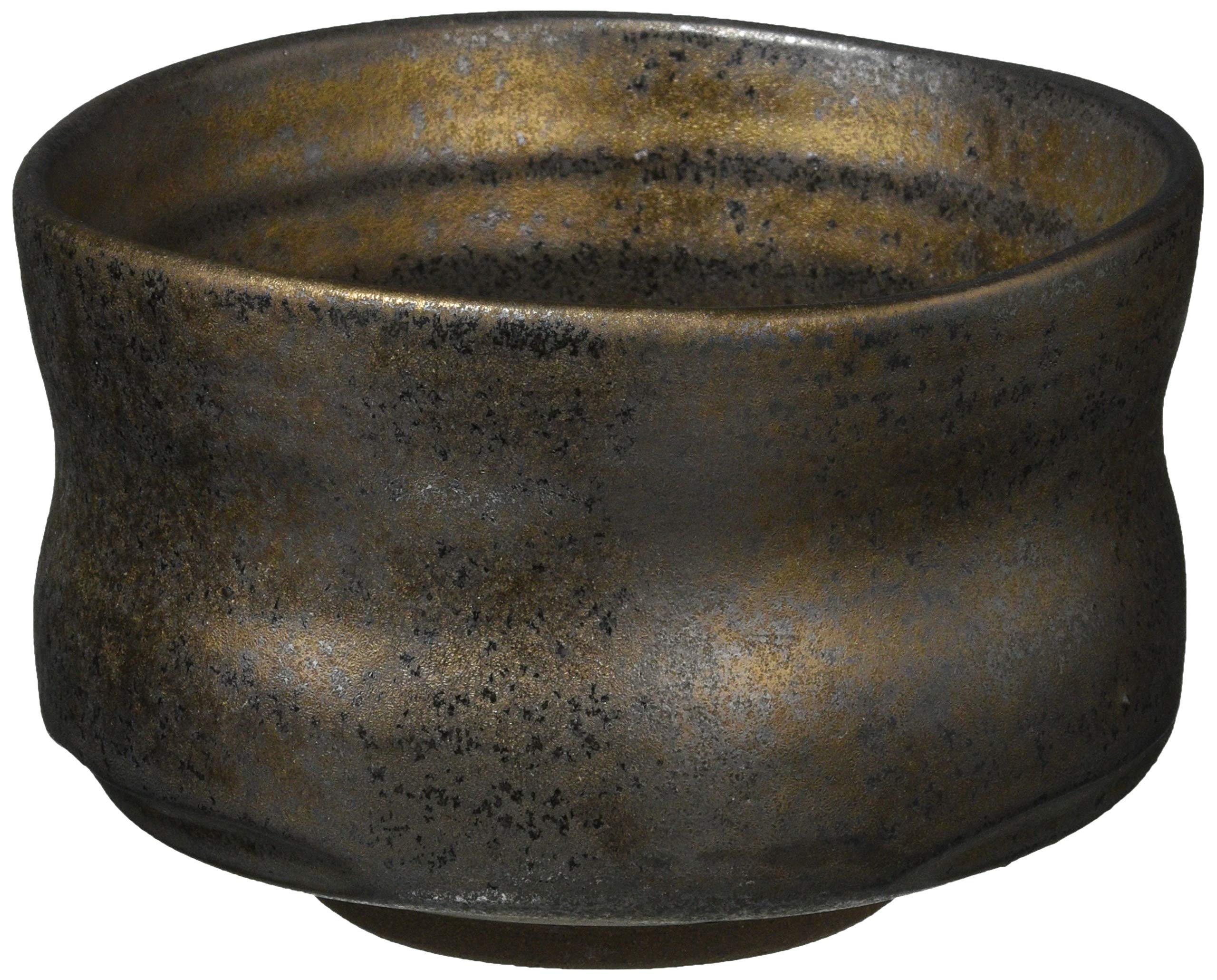
A solid lustrous black, achieved by removing the pot from the kiln while it's still red-hot and quenching in cold water. The thermal shock fixes a black iron-oxide surface. Used almost exclusively for tea-ceremony chawan (matcha bowls). Among the most prized matcha bowls in tea culture.
Ki-Seto (黄瀬戸)
Soft butter-yellow glaze, often with green copper accents painted on before firing. Lighter visual weight than Oribe; traditionally used for tea-ceremony incense burners, small serving dishes, and lidded boxes. Currently undergoing a revival among younger potters.
Modern Mino Ware on your table
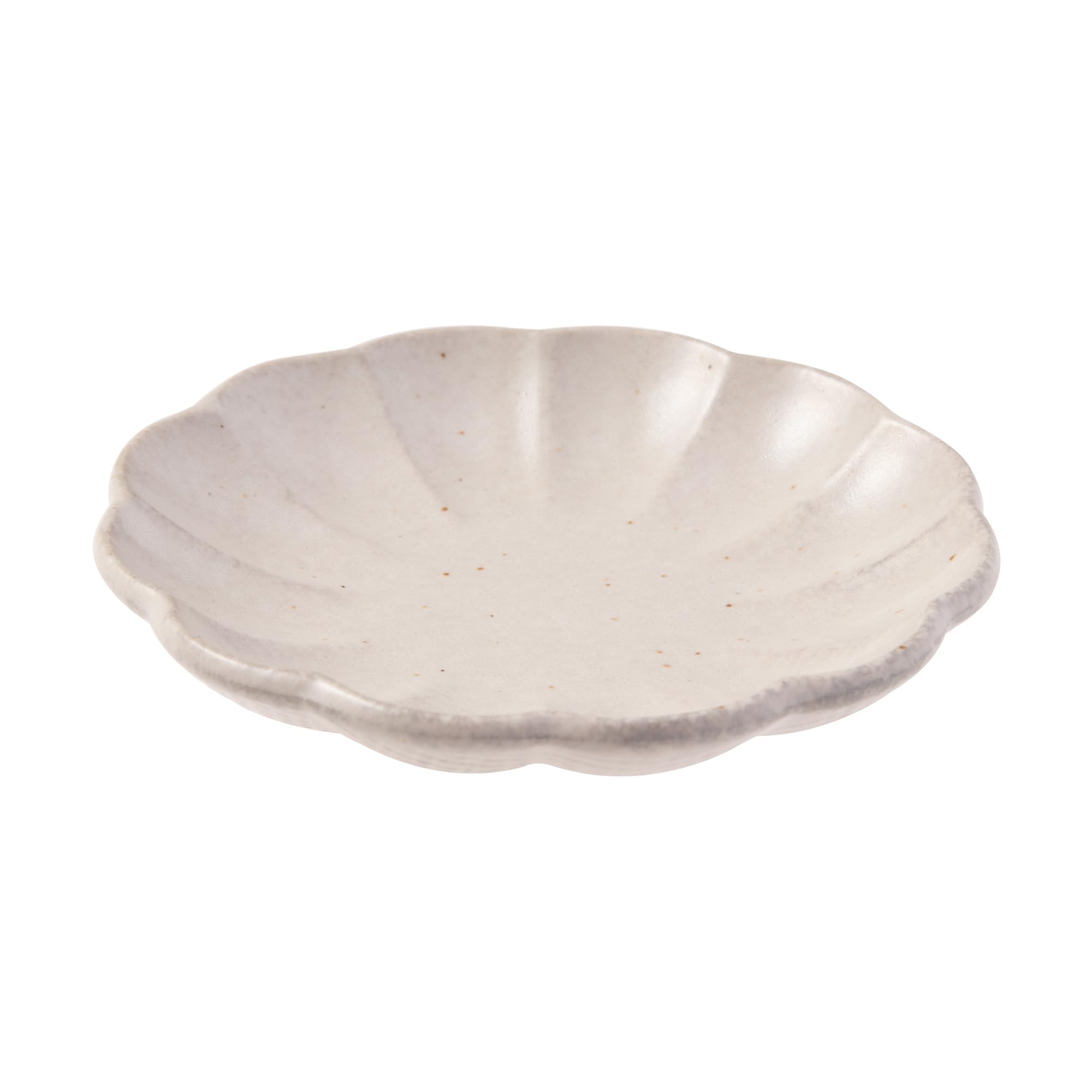
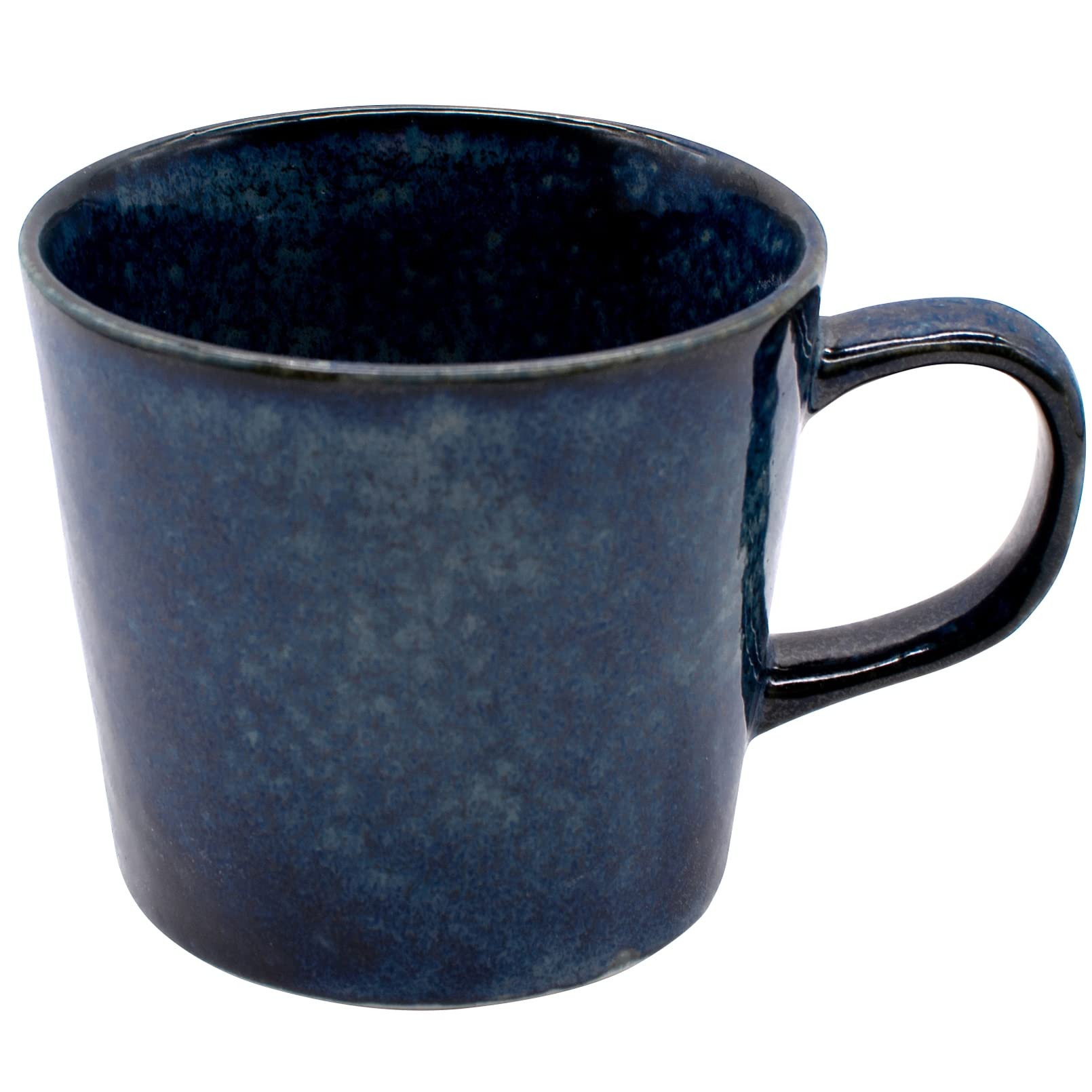
Most contemporary Mino Ware doesn't strictly follow the four classical styles. What you find in our catalog is modern adaptation: glazes that reference the classical palette, simpler shapes, machine-thrown rather than hand-thrown, fired in gas or electric kilns rather than wood-fired anagama. Dishwasher-safe and microwave-safe in many cases (always check the product page).
Contemporary Mino workshops like Marumitsu Poterie, Marusan Kondo, and dozens of smaller family operations have driven Japan's shift toward more casual, less formal tableware over the past three decades. The current generation of Tajimi potters explicitly references the Momoyama palette while designing for modern Japanese kitchens — smaller portion sizes, microwave compatibility, stackability for apartment living.
How to recognize quality Mino Ware
- Foot ring color. Authentic Mino pieces show a slightly toasted ring on the unglazed foot where the piece sat on the kiln shelf — orange (oxidation firing) or gray-brown (reduction firing). Stark white feet usually indicate electric-kiln imports.
- Glaze flow at edges. Real Mino glazes pool slightly at lip edges and inside curves where the glaze flowed during firing. Uniform machine-sprayed glaze with no flow variation is a sign of mass-imported imitation.
- Weight. Mino is thrown or pressed, not slip-cast. It feels hand-weighted — slightly heavier than a comparable factory import, with the weight concentrated near the base.
Shop Mino Ware
Plates, bowls, and serving dishes from working Gifu kilns.