BRAND STORY
Imabari
Japan’s towel capital — a 130-year weaving tradition certified by the country’s strictest absorbency standard.
The town that became a standard
Imabari is a small port city on the Seto Inland Sea, tucked between the mountains of Ehime Prefecture and the bridges of the Shimanami Kaidō. It has roughly 150,000 residents and one defining industry: making towels. Cotton-weaving here dates to 1894, when local entrepreneur Heisuke Abe imported looms from Osaka and began producing thin cotton crepe cloths. By the 1920s, the cluster of mills around Imabari had grown into Japan’s dominant towel manufacturing region — a position it has never relinquished.
Today the Imabari Towel Industrial Association represents over 100 active mills, ranging from small family-run operations with two or three looms to mid-sized factories that supply department stores across Japan. Together they produce roughly half of all towels made in Japan each year.
What makes a towel an “Imabari Towel”
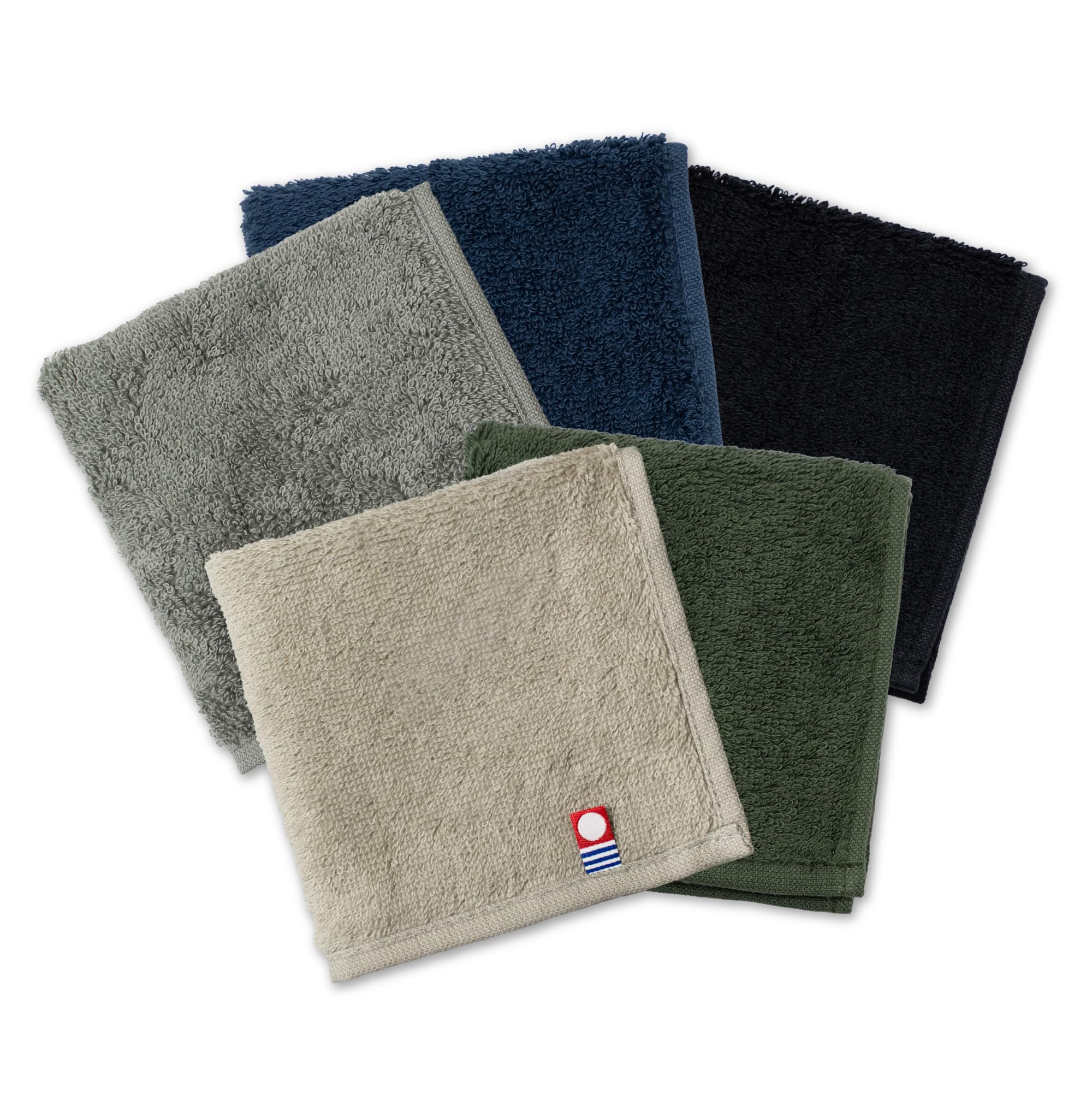
“Imabari Towel” is not just a place name — it’s a certification mark. In 2007 the local industry association launched a strict quality program in response to cheap imports flooding the Japanese market under vaguely Japanese-sounding brand names. To earn the famous red, white, and blue Imabari Towel mark, a towel must:
- Be woven in Imabari. Production must take place within the designated geographic area. Cutting and finishing elsewhere disqualifies the piece.
- Pass the five-second water absorption test. A 1cm × 1cm square of the towel, dropped flat onto water, must sink within five seconds. This is the test the industry is most famous for — and it’s harder than it sounds. Most commercial towels float for 15-30 seconds because of residual sizing or fabric softener.
- Meet specific shrinkage, colorfastness, and yarn-quality minimums. Tested by an independent lab per JIS (Japanese Industrial Standards) protocols.
The five-second standard is why Imabari towels feel different in the hand than ordinary cotton towels. The cotton is rinsed and scoured aggressively before weaving, removing waxes and oils that would slow absorption. The result is a towel that pulls water off skin immediately — useful at the bath, useful in a Japanese summer, and the reason the towels became a fixture in luxury hotels and onsen ryokan.
The soft water that makes it possible
One of the open secrets of Imabari’s dominance is its water. The mineral content of the local groundwater is unusually low — the mountains around Imabari are granite, not limestone, so the runoff picks up very few calcium or magnesium ions before reaching the mills. Soft water means cotton fibers swell more evenly when scoured, dyes set more consistently, and finished towels feel softer after the first wash. Mills in regions with hard water (most of mainland Europe, much of the US) cannot reproduce the hand-feel even with identical yarn and identical looms.
Visitors to Imabari often comment on how soft the tap water feels on the skin. That same water has been running through the looms for over a century.
What to buy first
If you’re new to Imabari, three picks cover most use cases:
- Bath towel (about 60 × 120cm) — the most common everyday item. Look for 300–500 gsm (grams per square meter) for quick-drying use, or 600+ for a denser, more plush hand. The mid-weight is what most Japanese households use.
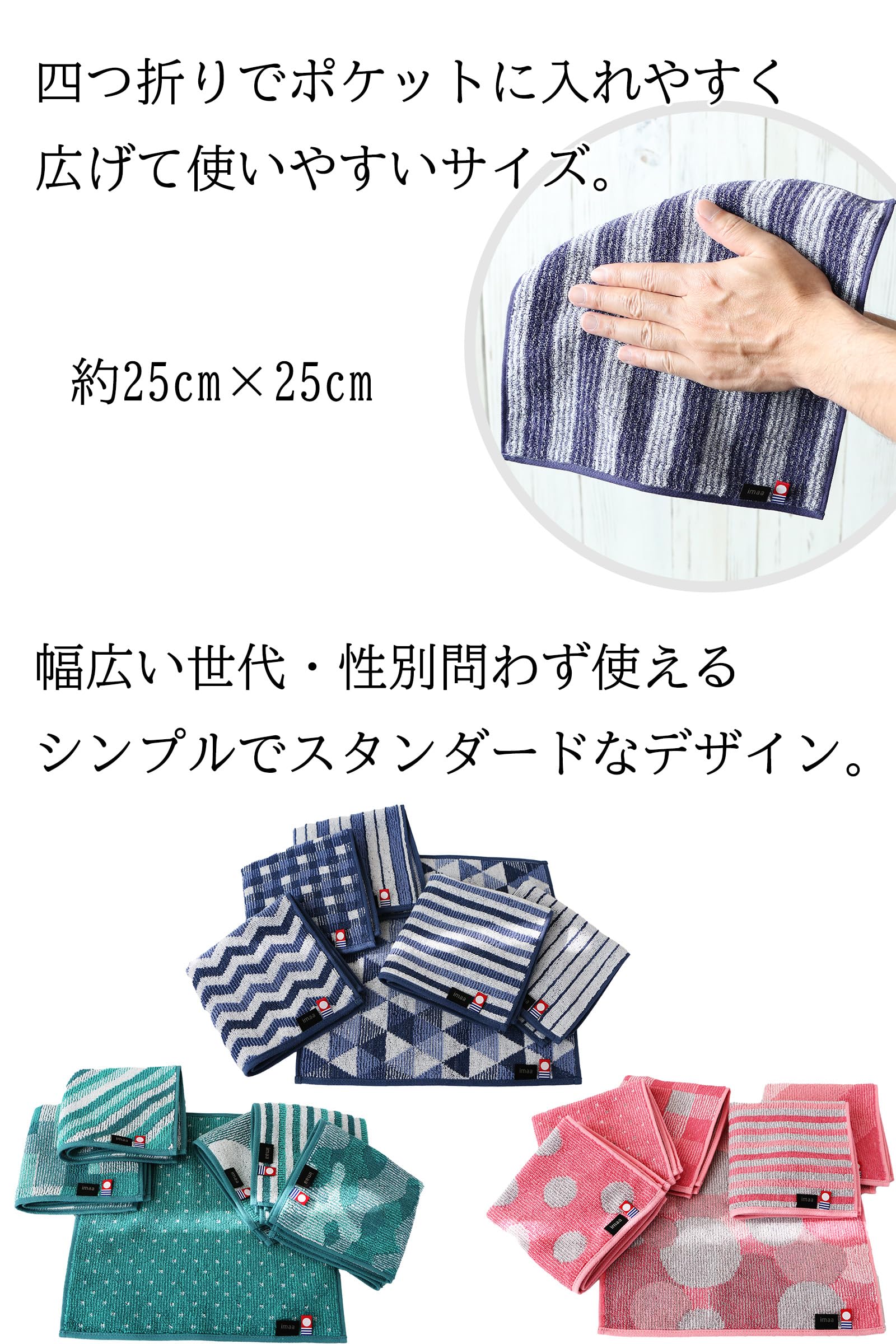
- Face towel (about 34 × 80cm) — the Japanese equivalent of a hand towel. Used for daily face-washing and hair-drying. A two- or four-pack is a common gift.
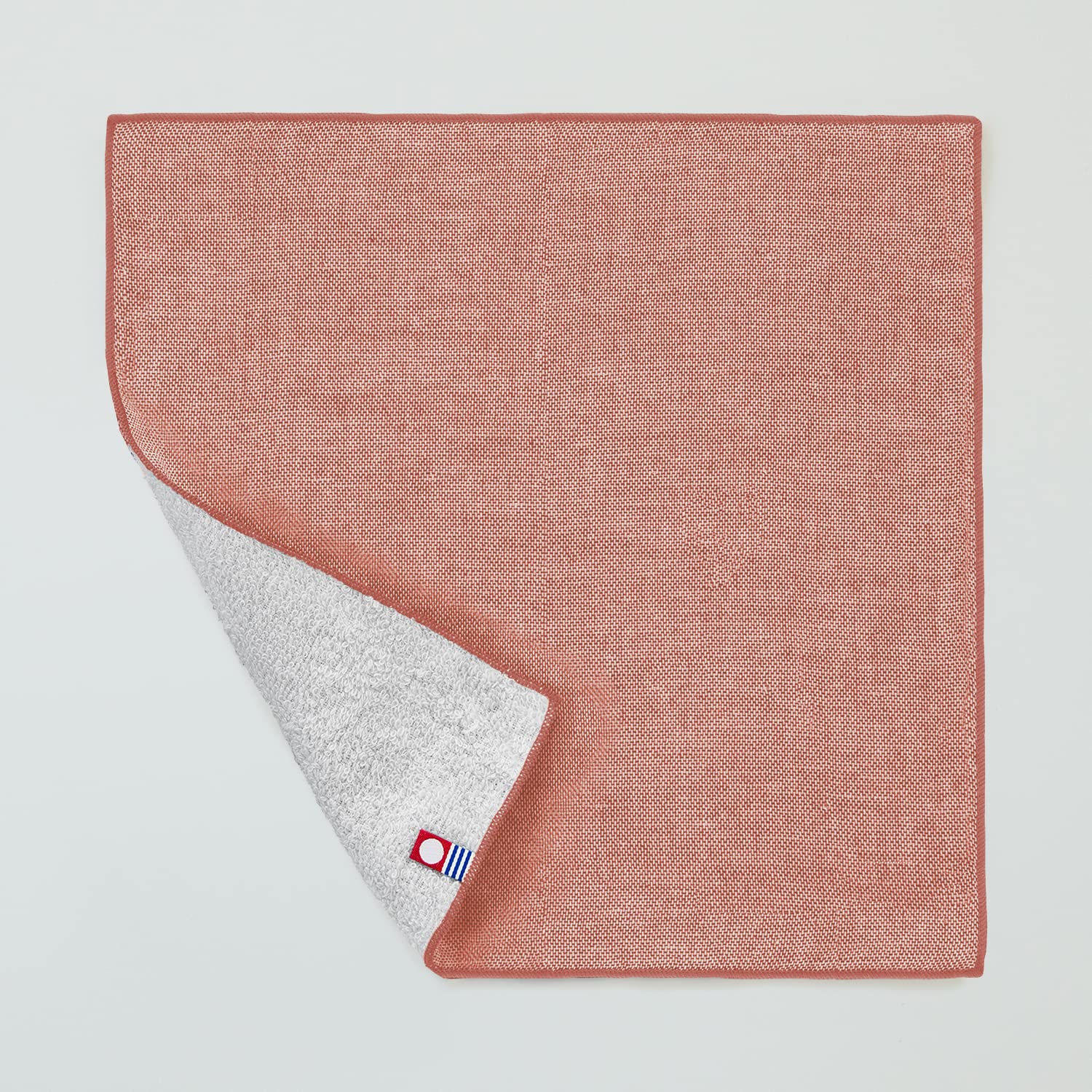
- Gauze-and-pile towel — a popular regional variation that weaves a gauze layer on one face and pile on the other. The gauze side is lighter and dries faster; the pile side is absorbent. Great for kids and humid climates.
All ship from our Tokyo hub in their original maker boxes where applicable. Imabari towels typically arrive vacuum-sealed in plastic and should be washed once before first use to remove any residual factory sizing.
Shop Imabari
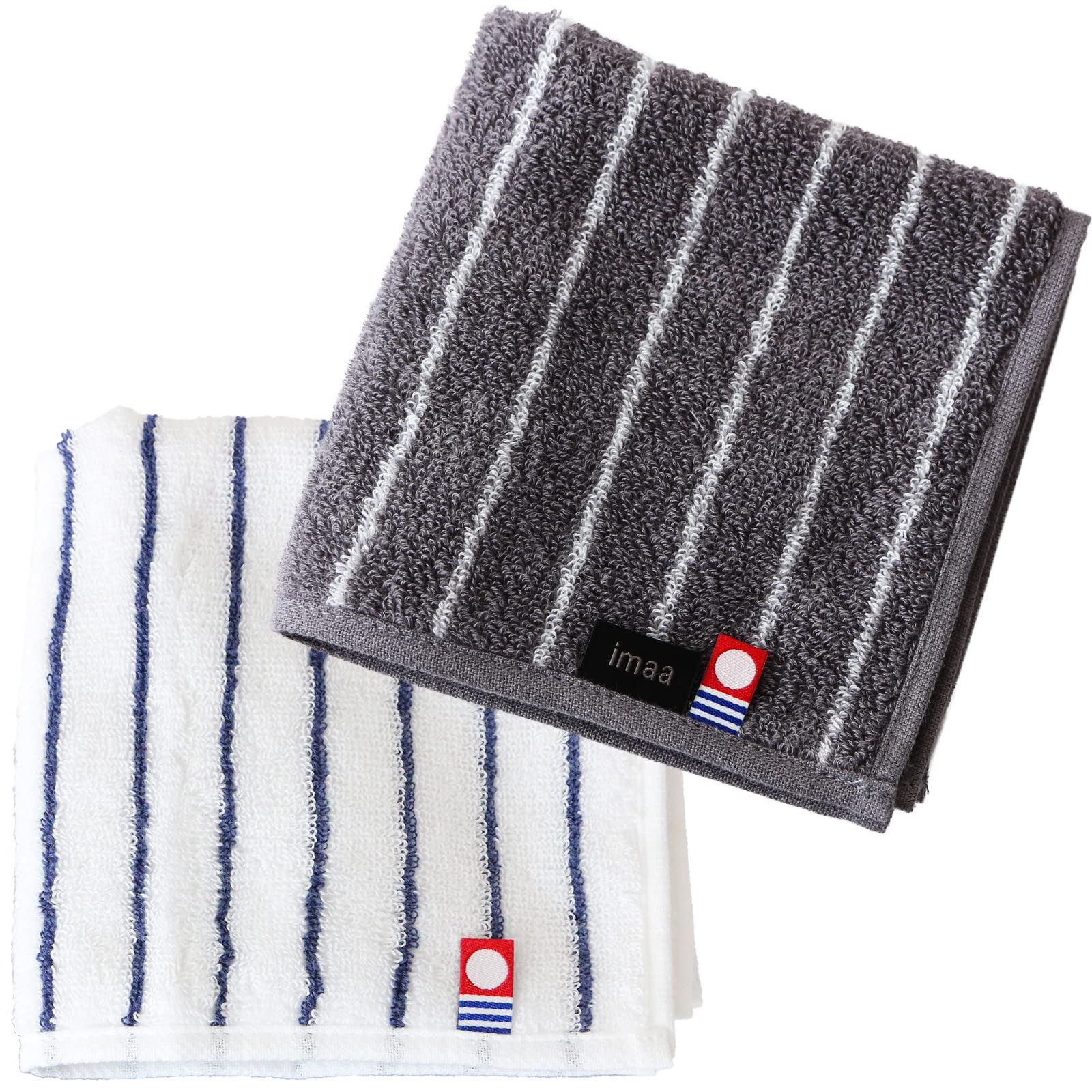
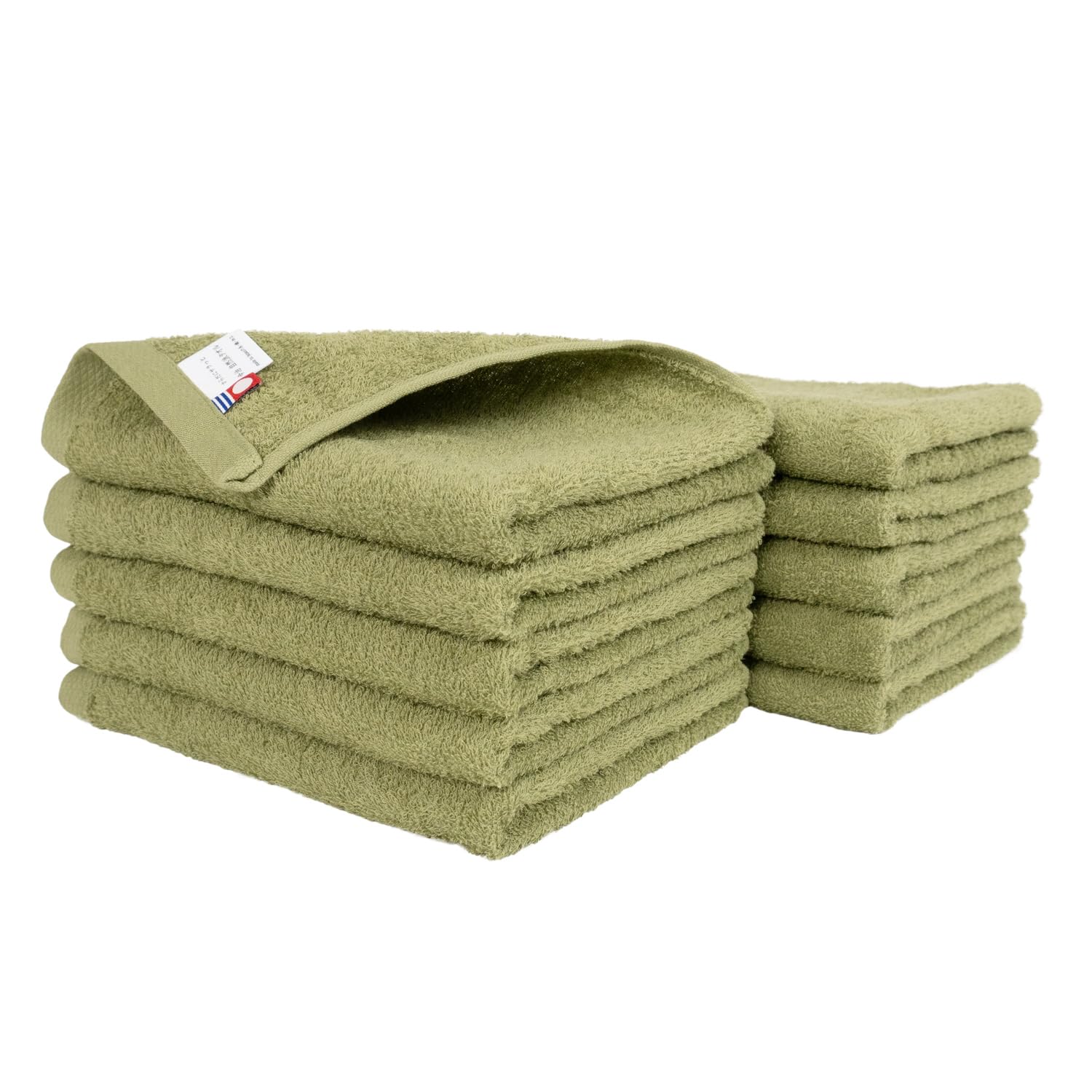
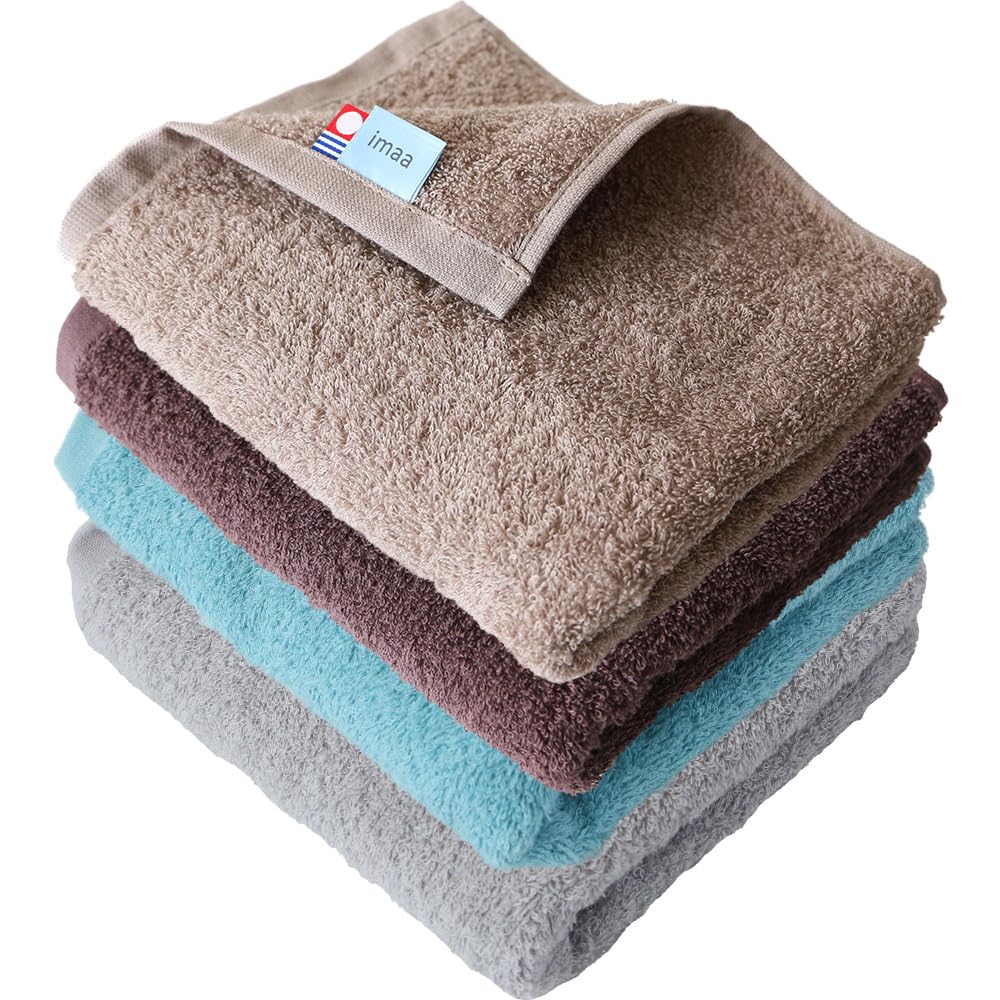
The most-loved Imabari pieces in our catalog right now.


Caring for Imabari towels
Wash before first use to remove any residual factory sizing — this unlocks the full absorbency the five-second test certifies. Use a small amount of regular detergent; skip fabric softener entirely, as it coats fibers with a hydrophobic film that defeats the cotton’s absorbency. Tumble dry on low or hang dry — Imabari towels keep their loft well on either setting, but high heat shortens fiber life.
Imabari towels can run for ten years of daily household use without falling apart. Yellowing and rough patches are usually fabric softener buildup, not wear — a vinegar-and-baking-soda wash cycle (no detergent) often restores them.